Sewer Mutant Podcast, Season 2, Episode 1: Introducing the Dark Age of Comic Books
The Sewer Mutant podcast is back at last! And I’m joined by a new co-host, John Ekleberry, who you might remember from the Sewer Mutant episode on James O’Barr. We’re starting a podcast companion to the History of the Dark Age of Comics article series. This first episode is an introduction to the topic, then we’ll be discussing a number of Dark Age milestones. Next up we’ll discuss some precursors of the Dark Age, with an episode on Alack Sinner followed by a two-parter on Warrior magazine.
Subscribe to the podcast feed or find it on Spotify, Apple Podcasts, or your favorite podcast app.
Credits:
Hosts: Klint Finley and John Ekleberry.
Music: Krudler
Editing: Klint Finley
Show notes (Scroll down for complete transcript):
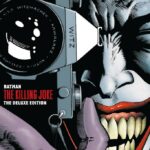
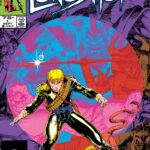
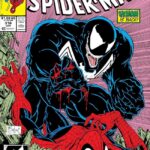
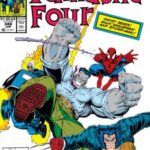
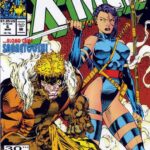
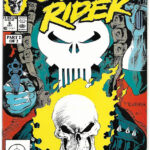
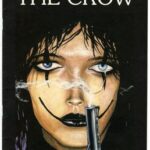
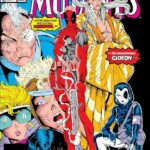
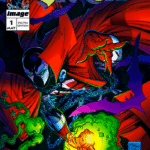
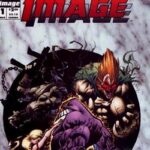
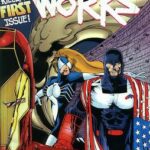
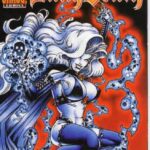
– Check out League of Comic Geeks and CGC for some lists/definitions of the various ages.
– 02:30: It was actually called Heroes World Distribution. See also: Wikipedia: Comic book speculator boom and bust.
– 5:09: The Wire’s first album came out a few months after The Clash’s first album.
– 6:03: See Jess Nevins on the Golden Age Sub-Mariner and killer vigilantes.
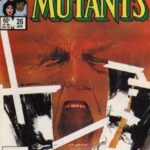
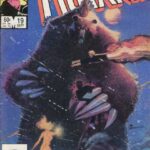
– 9:00: It’s not hard to spot Bill Sienkiewicz’s start on New Mutants.
– 15:33: John’s talking about the launch of John Byrne’s Superman in 1986 (Superman vol. 2). DC did continue the legacy numbering of the original Superman on Adventures of Superman, but Byrne’s Superman was the flagship Superman comic. Marvel pulled a similar trick with adjectiveless Spiderman and adjectiveless X-Men in the early 90s.
– 15:40: Before Heroes Reborn, there was also Age of Apocalypse, where Marvel “canceled” (or rather suspended) all the X-books and replaced them with new titles, each starting with a new # 1. The legacy number resumed after the event. With Heroes Return, the event that followed Heroes Reborn, Marvel gave each title yet another # 1 issue instead of resuming the legacy numbering.
– 18:12 See Crisis on Infinite Earths, Zero Hero, Final Crisis, etc.
– 20:05: Green Lantern: Rebirth and The Flash: Rebirth were different from the DC Rebirth initiative.
– 21:15: The history of Starman is confusing to me, but apparently the original Starman (Ted Knight) did not return, the 90s Starman (Jack Knight) handed the mantle down to Stargirl. Neither Starman nor Stargirl were part of the new JSA relaunch in 2024, I don’t know if either has joined since.
– 23:24: His name was actually Adam Pollina, I was mixing him up with Angel Medina.
– 24:00: Joe Quesada became editor-in-chief in summer of 2000, Axel Alonso joined Marvel shortly after.
– 24:34: In retrospect, it’s probably most fair to say that Batman (1989) did start a dark superhero movie trend and that Blade and Spawn were both a part of that trend (along with Darkman and The Crow), but that X-Men started the more modern superhero movie trend that is less dark and, as John points out, is more superheroic.
– 27:13: I meant Jim Starlin, of course.
– 27:50: For example: The compact edition of Watchmen was the 7th best selling graphic novel of 2024 among comics retailers who participate in ComicHub. It also ranked # 5 in superhero graphic novels in book stores in BookScan’s rankings that year, while the 2019 edition of the book clocked in at # 6. See also: Suggested for Mature Readers’s article.
– 32:40: It’s even better/worse on DC Universe Infinite: There’s only a one month delay between releases.
Transcript
Klint Finley (00:14)
Welcome to Sewer Mutant, the podcast with no tagline. This episode marks the beginning of a new series on the Dark Age of Comic Books. My name is Klint Finley, AKA Klintron, and I’m joined by my new co-host, John Ekleberry, who you might remember from our episode on James O’Barr. In this episode, we talk a little bit about what the Dark Age of Comic Books was and some of what sets it apart in the history of comics.
If you want to know more comic book history, check out sewermutant.com. You can also find John’s James O’Barr Collector site at jamesobarr.wordpress.com. Our music is by Krudler. You can find more of his work at krudler.bandcamp.com. Now on with the show.
Klint Finley (00:52)
John, as you know, I wrote this article that’s going to be the first of a few articles exploring the Dark Age of Comic Books, of what I and some other people called the Dark Age of Comic Books. And I sort of define it loosely as starting around 1985 and going to about 2000. I think we’re about the same age. So it’s a period that would cover basically our entire childhoods.
Something I hadn’t even realized until after I published the article and I was talking to my mom is that I started reading comic books in 1986 and I graduated high school in 2000. So it really is like that entire period for me of being a kid essentially was this period that I called the Dark Age of Comic Books. Although I started out with Thundercats and He-Man, so not the darkest things out there. It’s a period that we’re pretty familiar with, I guess, as that was what we came up on, so to speak. So I think maybe we could just start with that definition, that name. It’s also called the Copper Age. And I think you said that you prefer that over Dark Age.
John E. (02:00)
You know, when I was doing a little reading before I did just because, you know, the keeping with the theme of the metals, but I actually think that I like the Dark Age better now that I’ve read more into it. The only other thing that I might call it if I was splitting up ages and basing them on the Ages of Man in Greek myth, after the Bronze Age, they have the Heroic Age. And I think this would be like the Anti-Heroic age. But, you know, Dark Age basically says that all in one word by itself.
Klint Finley (02:30)
Right. And part of why I call it the Dark Age, I didn’t come up with this term, but it’s the one that I remember first encountering. And Copper Age came later for me, so I just default to Dark Age. But it’s also just a period that was very difficult for the industry. It actually didn’t recover until after this time period. But the actions taken by the major players in the industry, particularly Marvel comic books and acquiring, I think it was called Heroes Distribution, and going exclusive with their own distributor that really had an incredibly negative impact on the industry and a lot of the speculation boom and bust that happened even before that. It was dark, not just in the content of the comic books, but dark for… Well, the first part of it was actually great though, was going very well for the first several years of the Dark Age. And then the, the speculative bubble burst and it got pretty grim. So I feel like there’s, there’s kind of like that, that name works on multiple levels. The anti-heroic age is really good too though. I’d also thought about trying to keep it, the metal naming, the lead age would be appropriate, but I don’t know.
I just, I just say Dark Age. So it’s kind of where I’ve gone with it.
And something else that we talked about only briefly, because I wanted to make sure we only really talked about it here, is that… Well, I should back up. That why I say roughly 1985 to 2000 is because it’s really hard to actually define any of these ages. Even looking at the Golden Age, I think usually people say it’s Action Comics number one. But you could make a strong argument for it being like Famous Funnies, number one, which was like the first comic book or …
John E. (04:21)
Sure, sure. Or having an additional age before that. Like some authors have, you know, the Platinum Age before the Golden Age.
Klint Finley (04:25)
Right. Yes, yes. Yeah, there’s a, yeah, there’s a bunch of ages now. And then there’s like, what is, is there an age between the Golden Age and the Silver Age? And, why does the Silver Age start with Showcase number four instead of Fantastic Four number one? And I think there’s, there’s good answers for that, which, but, it gets complicated really quick. And then the Bronze Age is really hard to define. And so just the more you, the further along into the comic book history you get, like the murkier it all becomes.
John E. (04:56)
Well, as you mentioned in your article too, they kind of bleed into each other. Like sometimes there’s precursors and sometimes there’s things that bleed over even if another age has started. You see this with music too.
Klint Finley (05:09)
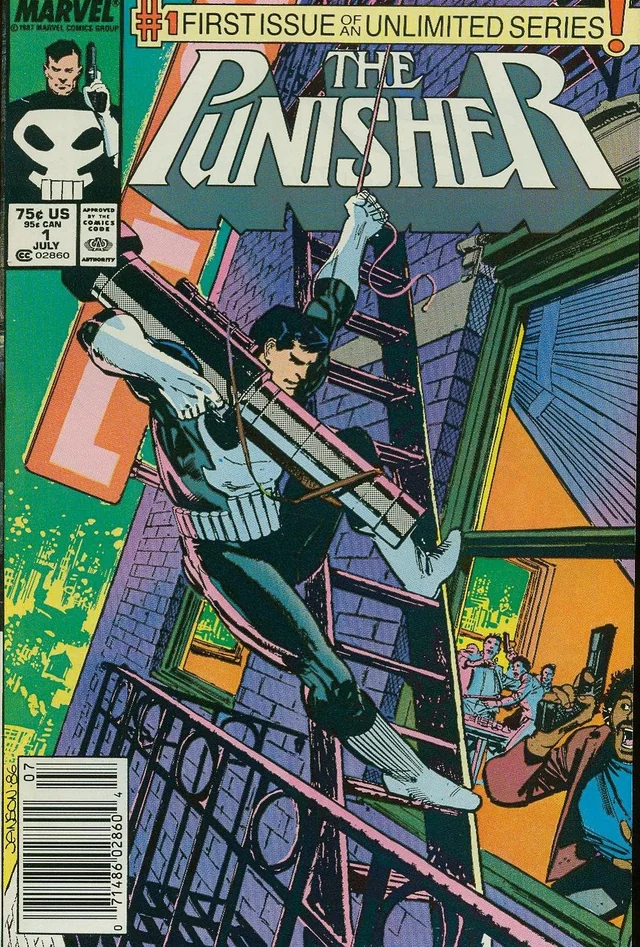
Right, right. Yeah, like punk never died, but we could still solidly say that like the post-punk era started at some point. But then like there’s weird stuff like Wire’s first album came out I think before it was like before the Clash’s first album or like the same year. So was like post-punk was already starting. Yeah. So that’s a really good point. And then the other, the other thing is like, one of the things I was starting to realize, and I didn’t get into this in the article, but we briefly touched on it recently, just a lot of what went on in the Dark Age also went on in the Golden Age. That I was thinking about how there were a lot more brutal superheroes in the Golden Age, because that was before the Comics Code Authority. Like there was at least one Batman story where he shot someone with a gun.
John E. (05:59)
Right.
Klint Finley (06:03)
And there were plenty of other characters who killed criminals or whatever. And then you had like the Sub-Mariner who’s not really even a super, he was basically like a super villain that had his own title. So it was like, was, or he’s definitely at least an anti-hero. I guess if you’re sympathetic to his cause, then he’s the hero, but he was a menace to society, to human land dwelling society. Killed cops and stuff. So, you know, just the stuff that you would not really expect to see, you definitely wouldn’t see in the Silver Age, I don’t think.
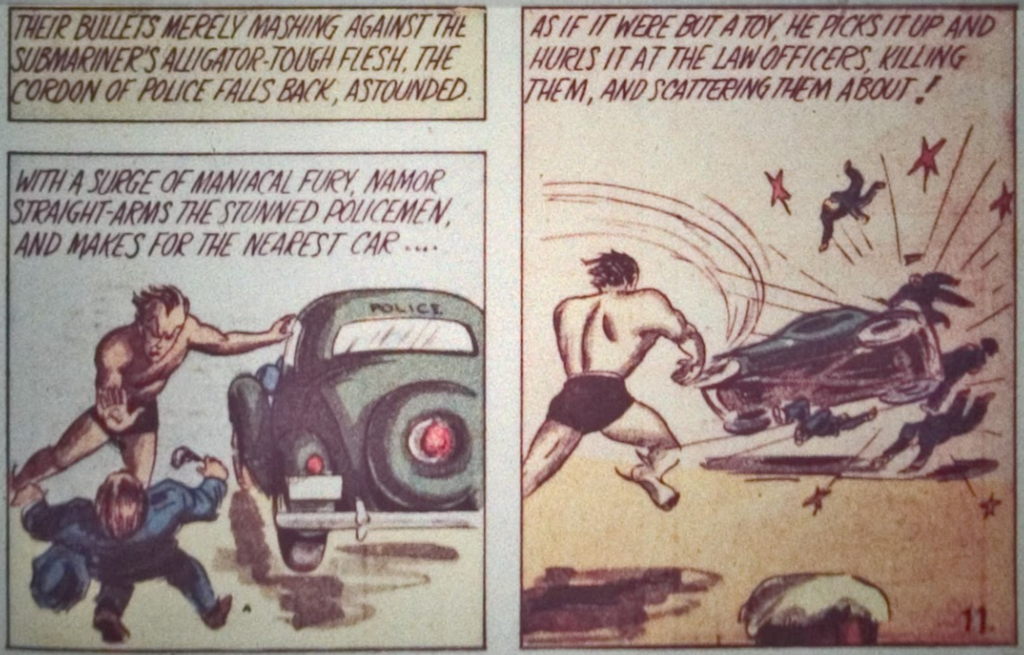
But and then also you saw like a boom and bust then too, where the success of Action Comics, number one, led to tons of imitators, lots of companies entering the market, publishing comic books, comics selling like hundreds of thousands of copies. And then the whole industry collapsed after World War II for a lot of different reasons. So there’s this interesting parallel between those two ages. And then you could even see, I don’t want to necessarily get too much into like the age that starts around 2000 that comes after the Dark Age. But in a lot of ways, that’s like the new Silver Age that was really responding, like trying to bring back a lot of, was… Alan Moore doing Supreme and America’s Best Comics, like really trying to tap into Silver Age stuff. Grant Morrison doing the same thing with JLA and their run on Flash. You can you can really see interesting parallels there. And now we’re kind of getting back into like a new Dark Age almost where, not necessarily even in a negative way at all, but just looking at stuff like the Absolute line and how like the stories are kind of dark. But like I’m thinking about that more in just terms of like the radicalness of the of the art styles where …
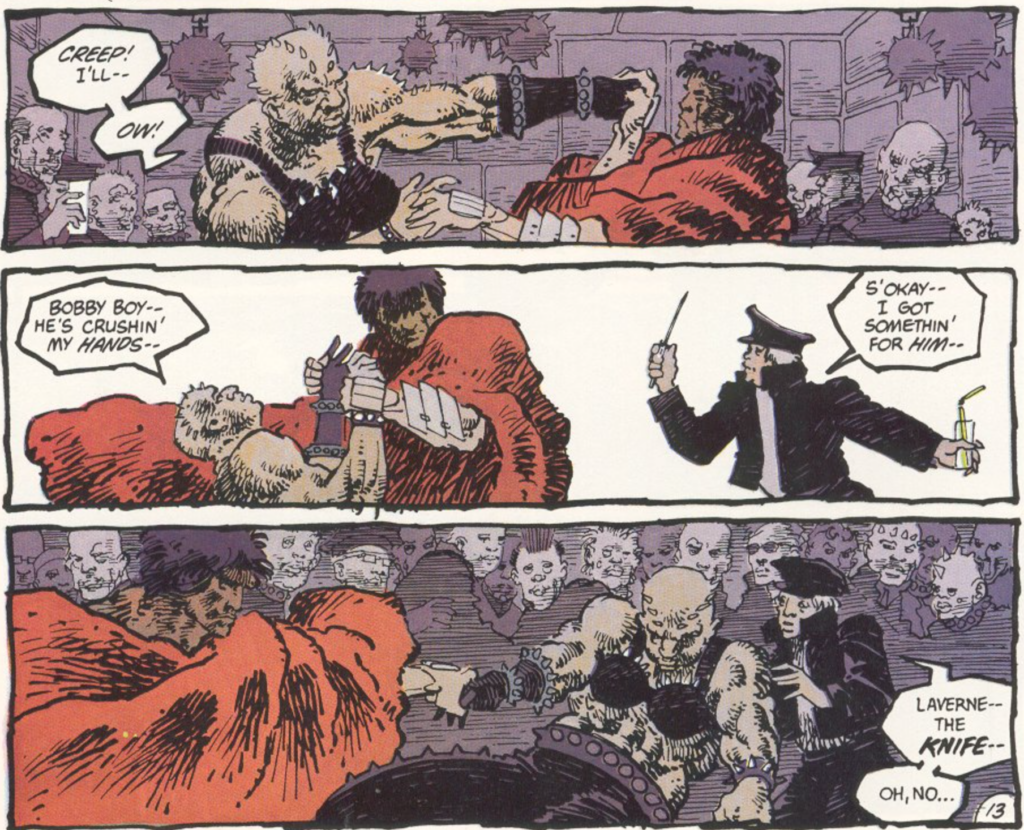
So I back up to back up again. One of the things I think is interesting about the Dark Age and that sets it apart was like how different art styles got… Where they used to be more of like everyone’s trying to draw the same essentially. And there was kind of like a house style at Marvel. Certain artists got to break away from like Jack Kirby kind of got to do his own thing. Sterenko got to do his own thing. Neil Adams got to do his own thing. But for the most part… and then Neil Adams kind of became the house style at DC or maybe other artists. But the point being was like there was there were kind of expectations and more consistency in the style of art. And then in the Dark Age, that just went out the window and, y’know, Miller was, was, was really going, when he started doing, Ronan and the Dark Night Returns, he was, you know, kind of going off the rails. I’m not sure how to say his name, Bill… [Struggles to pronounce Sienkiewicz]
John E. (08:53)
Sienkiewicz.
Klint Finley (09:00)
That was just bonkers. I mean even in, I didn’t see his stuff probably until in the 90s and it still was like blowing my mind that that was like what the New Mutants looked like in the 80s.
John E. (09:11)
Yeah, super cool because you think of that book as being kind of dopey in the beginning, not to diminish those stories, but once he came onto the book, it became a completely different thing. And of course, for me and for you, that was probably before we started reading that book. I came in later with the Rob Liefeld stuff and whatever.
Klint Finley (09:32)
Yeah, my first issues of it had like, it was like when Barry Winsor Smith was doing the covers. And I wasn’t reading it consistently, but that was like one of the first comics I got, especially that wasn’t like one of the licensed Marvel comics was an issue of New Mutants that had Captain America punching out Magneto on the cover, which is kind of weird. But yeah, but yeah, it definitely didn’t look anything like Sienkiewicz’s…
Klint Finley (09:57)
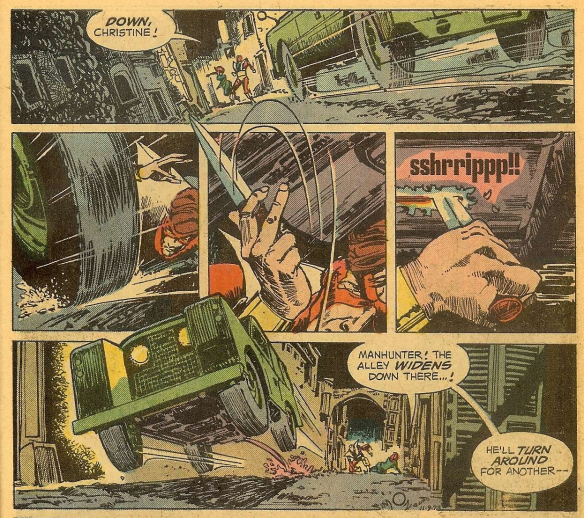
And then, you know, the Image artists came on the scene and they were doing doing stuff. Walt Simonson, I think, is an artist that doesn’t get enough appreciation these days.
John E. (10:05)
Yeah, Walt Simonson is awesome.
Klint Finley (10:25)
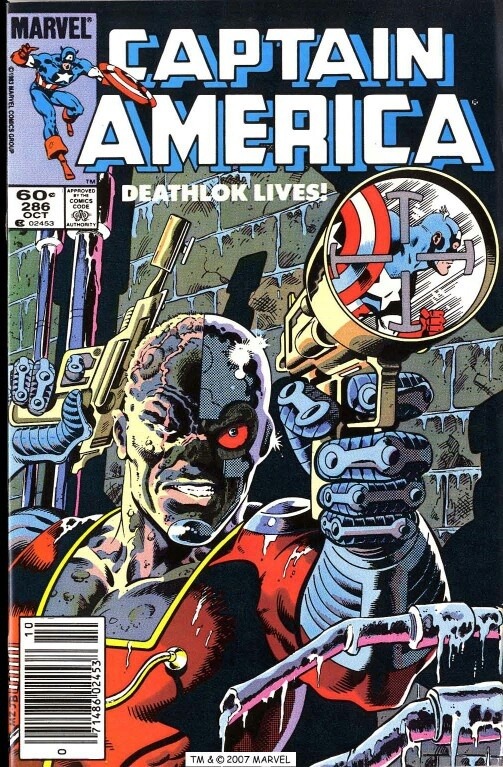
Yeah, Mike Zeck. So there was there were a lot of artists that were really just breaking out of the confines of what was possible in the Silver and Bronze ages. In mainstream comic books, at least.
And it it seems like comics got a lot back to having the house style in the 00s and the early 2010s. And now it seems like we’re breaking away from that again with some of what’s coming out now. I don’t know. Yeah. Also a return to some of the big things that brought me into comics in terms of licensed comics like G.I. Joe and Transformers got relaunched. I don’t know, there’s probably a lot of it is being driven by nostalgia of like, like stuff being sold to guys like us, our age.
John E. (10:54)
Certainly, certainly. I mean, the average age of the comic buyers gotta be much higher than it used to be. That being said, I am always surprised when I run into folks that just started buying comics or maybe started buying comics like five years ago or whatever. And there are new readers. When you grew up in the 90s and you read comics, you kind of get the sense that only 40-year-old men read comics now. But there are new readers out there, and it makes sense that all this stuff is cyclical. The stories themselves are cyclical when they reset to the status quo. But also, like you said, the ages kind of repeat and the themes repeat. And the artistry of it kind of goes up and down.
I don’t know, There’s a lot of things in the Dark Age that I think are interesting, though, and are somewhat unique to it. Of course, Image Comics is one of the huge things, but it’s funny because for me personally, when the Image guys broke away and started Image, I didn’t start reading a bunch of Image Comics. That was when I started reading Marvel Comics. And so I started a little bit later than you. I started in early 92 collecting. I’d maybe had a few comics before that, but that was the first time I started like going weekly to the comic book store to buy comics off the racks. And so I was buying stuff that was made by the guys that Marvel pulled in to fill that void from the Image guys leaving. So I was getting, you know, like the Kubert brothers and, you know, Bill Sienkiewicz did come back a little bit for a few of the X books and Larry Stroman on X-Factor. And, know, there was a lot of cool stuff going on because they had to scramble, you know, like Claremont being on X-Men for 16 or 17 years or whatever and then getting pushed out, that’s huge, like that’s massive. It’s insane that he got pushed out to make room for somebody that left less than a year later. It’s a wild time. That’s another big bookmark, I think, of that era is Claremont’s X-Men ending and then the subsequent run of X-Men.
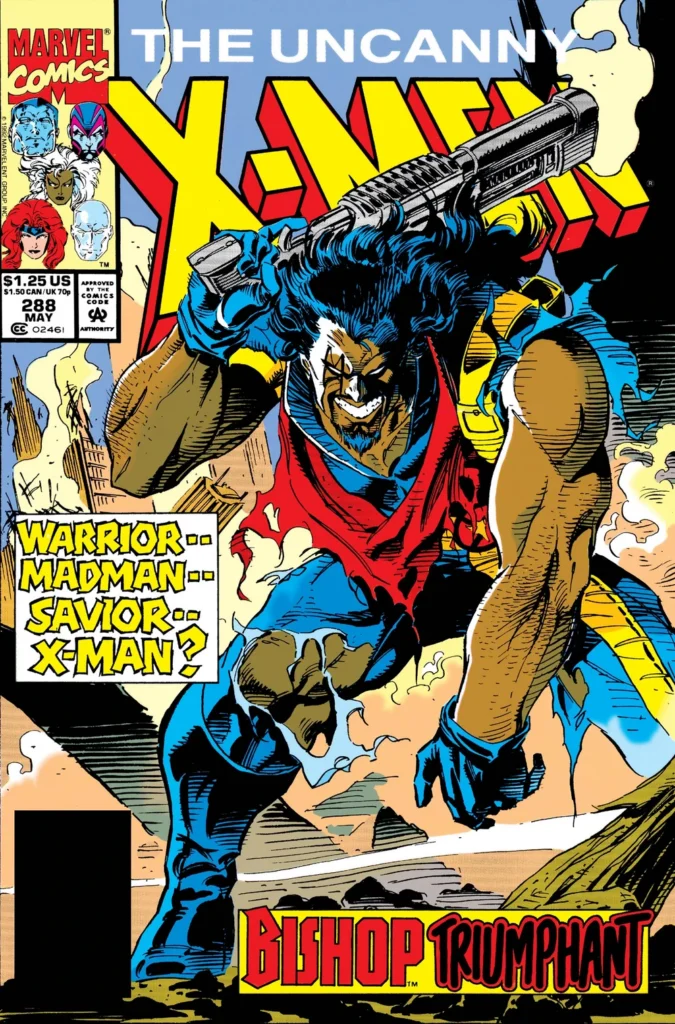
And so, know, Scott Lobdell is kind of derided, I think, by some. But it’s funny because like the time that he wrote X-Men was exactly the time that I bought books off the stands. Like he wrote from, I think, issue 286 to 350? And that’s like almost exactly what I bought, like when I started and when I ended. I think I started with 288 and I ended with like 360 or something. So, you know, I read from 92 to like late 98. That was like my formative pulling books off the stands years. And so that’s all smack dab in the middle of all this bust and boom and anti-hero stuff and all of it.
Klint Finley (13:46)
Yeah. How aware of the bust were you when it happened? Because that was something I didn’t fully grasp when it was happening.
John E. (13:56)
I not at all. I don’t, other other than whatever they would have been talking about in Wizard because you know we all bought we all bought Wizard. But beyond that you know.
Klint Finley (14:04)
Yeah, I think Wizard, think Wizard really downplayed it as it was happening. So I was not really fully aware of how much sales were cratering and comic book stores were going out of business and that sort of thing in like 94, 95, 96.
John E. (14:18)
My childhood comic book store is still open and it’s still the one that I go to occasionally. I don’t go there weekly like I used to, but it weathered the storm, which is cool. I’m sure a lot of people had their, their store go out of business during this period and had to either quit or find somewhere else to go or turn to the internet. You know, we weren’t quite buying tons of comics online yet. That didn’t happen until like the 2000s. I think I got an eBay account in 2000. And even then it was a little more antiquated. You’d mail somebody a cashier’s check or something and then they’d send you your thing. It wasn’t so instantaneous as it is now. I was driving around the comic shops to try to find different material. It was just a different time.
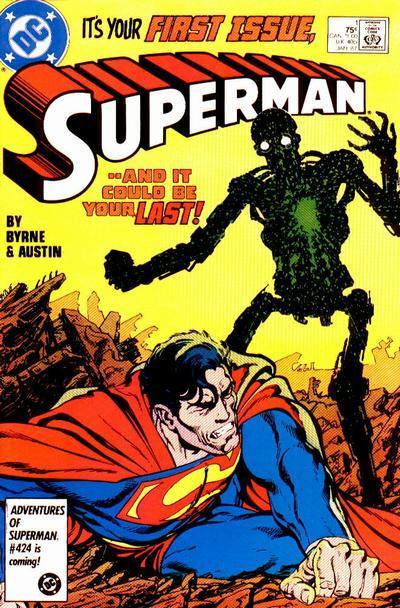
Yeah, there’s a lot of stuff though that happens in the Dark Age. Like one of the things you were talking about, like sales, you know, dying, but I was trying to think about other things that, kind of came to an end in the Dark Age and, sequential numbering starts to fall apart in the Dark Age because we’ve had numbering since like the beginning and then DC has the reboot and they start Superman over at number one and then you know, you get into the mid-90s and Marvel cancels four other titles and does Heroes Reborn and renumbers them. And like you hadn’t seen that happen before. And now we see it happen, you know, every year. Like they just reboot titles over and over and over and over to get those new number ones. But I didn’t care that X-Men was at issue 288 when I started buying it. Like that didn’t matter to me.
In fact, it was kind of cool because it had like an associated history with it. And I knew that there was, you know, this big body of work before it that I could explore. And now if somebody tries to pick up a comic, you know, what do you read? Like number one doesn’t mean anything, you know, and maybe the next volume starts a year later, or maybe, you know, it goes to issue 35. And then all of sudden it’s issue 600 because they want to do the legacy numbering. But then they sell you that issue and then they go right back to issue one again. And like it becomes this huge convoluted thing.
Klint Finley (16:32)
Yeah, have a lot of sympathy for people starting collecting now, because it is so confusing. If somebody came to me and asked me where to start, I would have a hard time telling them what to do. Obviously, I’d ask them, well, what characters are you interested in? What kind of movies do you like? And try to point them to something more self-contained as a starting point. Yeah, how to actually, if you, like, all right, ‘I’m really into the Hulk.’ I don’t know. Maybe start with the Immortal Hulk, I guess? But maybe that’s like too weird. So I don’t know what a good Hulk run is to start with.
People point to like how manga works and how different that is to the American approach where like it’s numbered volumes, like one through whatever. And then when the story ends, it ends. And the adaptations follow the books more closely. So if you get into Jujutsu Kaisen or something, then you might want to read ahead. So it actually really drives the manga sales in a way that American comics really don’t. Like if you go and see Black Panther, like good luck figuring out what book to buy if you go to the comic book store and you want to, you you’re not going to be able to like read ahead of what’s going on in the MCU or the DCU. Who knows what they’re going to do.
Klint Finley (17:56)
It’s all out of order, very different from the comics. And so you don’t really get the sales synergy that manga does. So I think a big issue for the industry, but there’s not a good way to fix it because it’s like, you know, decades of history at this point to try to deal with.
John E. (18:12)
Yeah, and it’s tough the more decades you have, right? Like I understand why DC wanted to do some kind of story to consolidate their canon because they’d been around for so long. Whereas Marvel, know, ostensibly you could start in the 60s and read all the way up to, I don’t know, I guess 2015 Secret Wars. And it’s like kind of one story without having too many major like reboot type events, know, DC for whatever reason feels the need to reboot in story. So they like frequently use the Flash to do that. But Marvel, when they decided to reboot, when they did Ultimate Spider-Man, they didn’t just like reboot their line. They just had a second line of comics, but the other line of comics kept going too, you know. And like when they did Heroes Reborn, they only did that for a year. And they brought those characters back into the regular Marvel Universe. Renumbered, of course, but it was still a sequential history that you could follow. And I think that the Dark Age was kind of like the last leg of that ongoing story before they really just kind of reset the status quo and reverted.
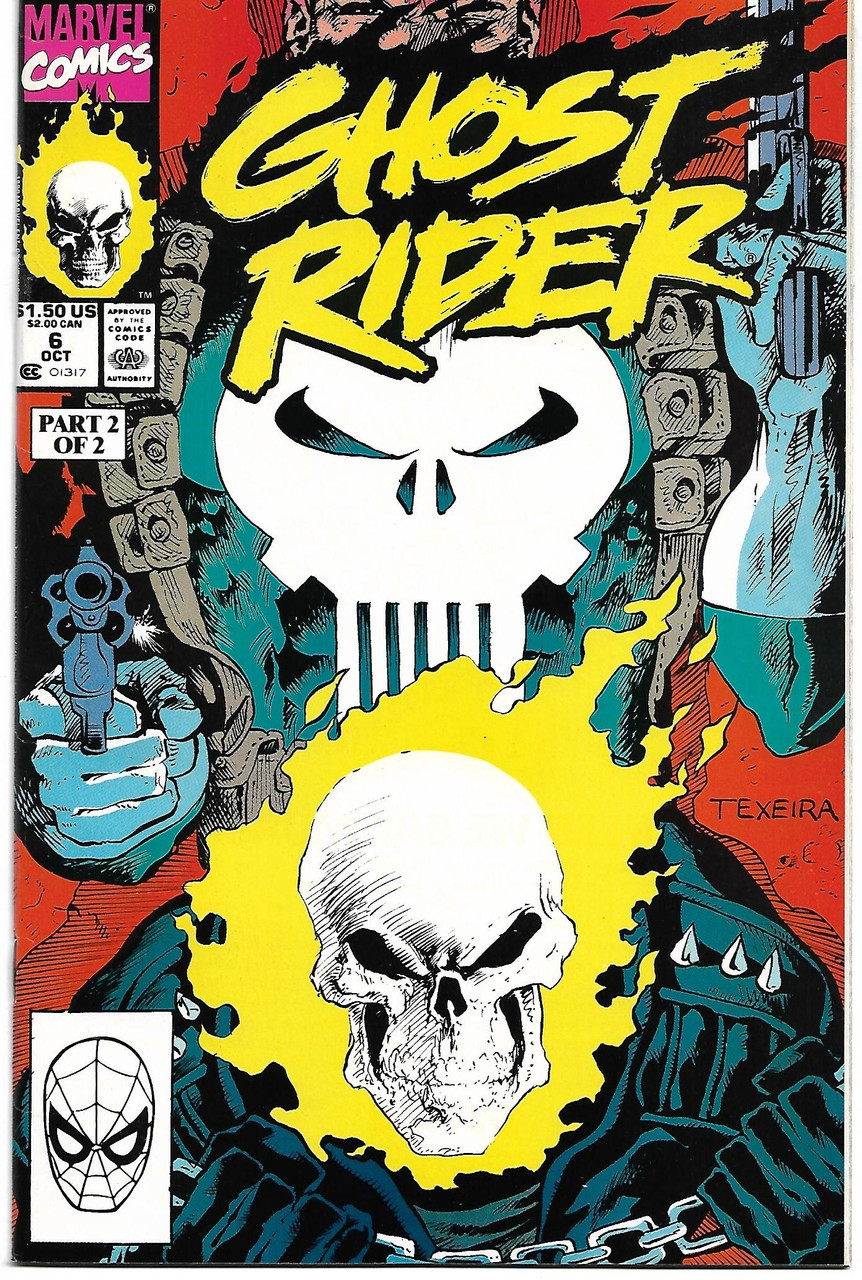
Because you saw things like legacy characters getting to continue on, you know, Johnny Blaze wasn’t Ghost Rider in the Dark Age at all. Dan Ketch was Ghost Rider, right? Like, and he got to be that generation’s Ghost Rider. You know, Barry Allen wasn’t the Flash. Wally West was the Flash for like 200 issues of the Flash. Like, it wasn’t just like he came in and was the Flash for a second until the regular guy came back.
Klint Finley (19:38)
Yeah. He’s probably been, yeah, Wally West has probably been in more Flash comics now than Barry Allen or Jay Garrick.
John E. (19:57)
Yeah, possibly. I mean, that was a long, that was a huge run. And I mean, he’s still in the comics, even though, even though Barry Allen’s back, which we won’t talk about that right now. But I actually, but I actually think when we talk about later ages, Barry Allen coming back again is almost like one of those markers of, you know,
Klint Finley (20:05)
Yeah. Yeah. Yeah. And the, yeah, that was, think part of DC Rebirth. And that’s one of the things I, I, I’ve considered too is like, is that like Hal Jordan comes back, Barry Allen comes back. that’s like later, but it’s like earlier that I don’t know. Yeah. It’s a whole thing, but yeah, it’s…
John E. (20:32)
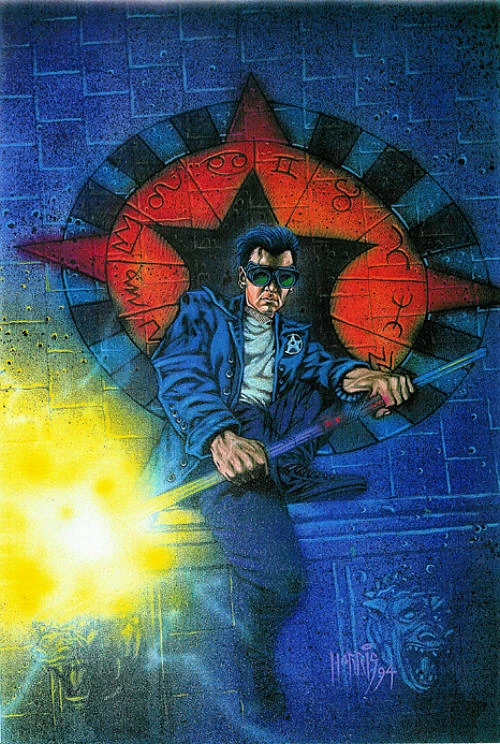
Yeah, it’s like 2005 for Green Lantern and then I think late 2008, early 2009 for Barry Allen. Yeah, those things are definitely things I would talk about. I guess the other character that I was thinking about too, that kind of signifies the Dark Age for me is Starman for DC. So he’s the son of the original Starman, right? And he shows up in Zero Hour and then his book runs from 94 to 2001. That’s basically like, smack dab in the Dark Age there. That’s a character that only exists in that time period and then somebody else’s Starman later or whatever, right?
Klint Finley (21:15)
Yeah, I think like the old star man comes back. But I don’t know for sure. Yeah, no, that’s interesting. Yeah.
John E. (21:20)
And same thing for Dan Ketch, too. Dan Ketch is Ghost Rider, and they make a big deal in the 90s, how Johnny Blaze is done being Ghost Rider, he’s not gonna be Ghost Rider again. Dan Ketch is Ghost Rider. And Johnny Blaze even comes back as a supporting character, but not as the Rider. But then at the end of the 90s, the book gets canceled a couple years go by, and then suddenly with no real explanation, in 2001, Johnny Blaze is just Ghost Rider again. The story doesn’t even really make sense. But, you know, they do that status quo reset. And then in a way, you kind of feel like that story that you’ve been reading all the way from 1961 until the end of the 90s is kind of being sloughed off f or a soft reboot. You know, and it’s not just with that character, you know.
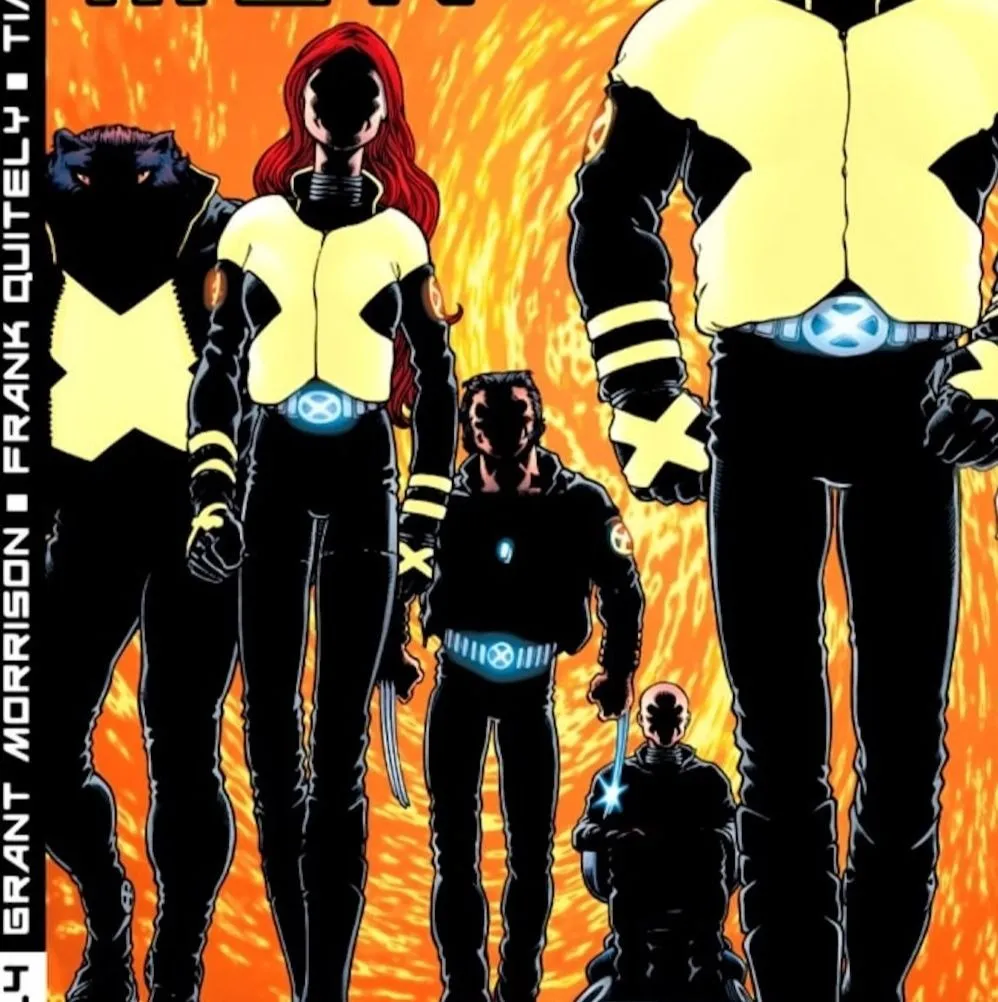
Of course, the world changed a lot in 2001 as well, y’know, with September 11th. But even before that, you know, if I look at like my spreadsheets of like X-books, for instance, there’s a major turnover in like June of 01, where like they cancel a lot of the books, and then like restart them with like some of them with different titles and most of them with different creative teams. And then…
Klint Finley (22:38)
Yeah, that’s when you get the Grant Morrison, New X-Men and Joe Casey…
John E. (22:41)
Yeah, exactly. They changed some of the titles and those guys come in and it’s just a, you feel like it’s a different era. And for me, I really felt like that was a jumping off point. Like for some people, it was probably a jumping on point. For me, it was kind of a jumping off point even earlier than that when, well, yeah, yeah.
Klint Finley (22:58)
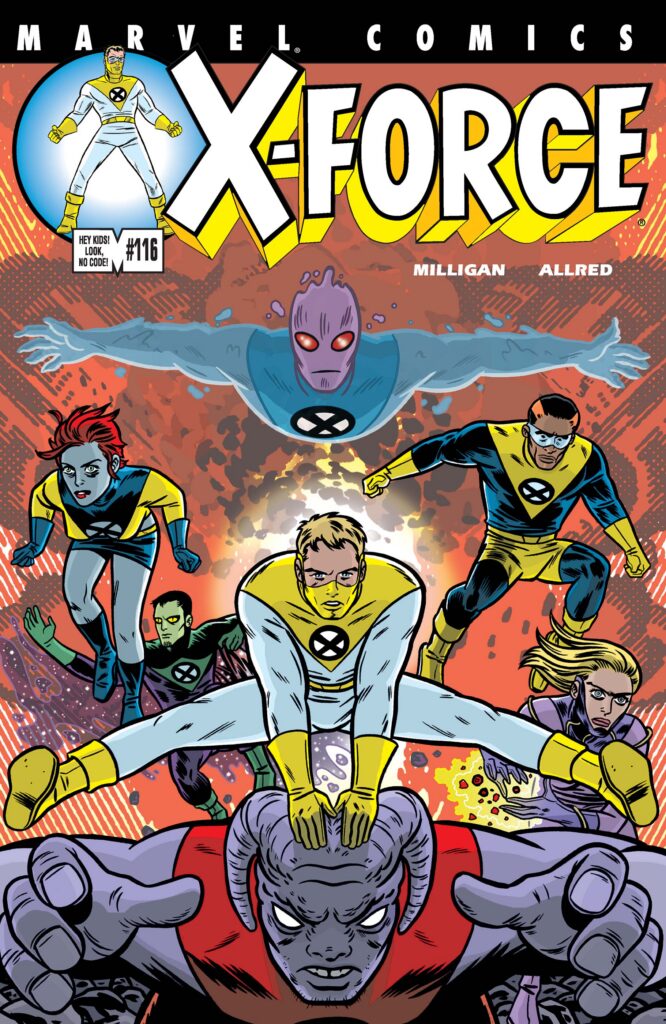
For me, it was a jumping back on point. I had been away from X-Men for many years and then Grant Morrison started doing it. And there was that Pete Milligan, Mike Allred, X-Force that turned into X-Statics. And so I started reading that. I hadn’t read an X-Force comic since… I kept reading when Tony Daniels was drawing it.
John E. (23:22)
Yeah, Tony Daniel was great.
Klint Finley (23:24)
By the time Angel Pollina was on it, I had stopped reading it. Sometime during the Tony Daniels run, I stopped reading it. But yeah, to your point, yeah, there was clearly a big change there. And so it’s one of the things that think we can get into maybe in some later episodes is something I’m going to note in the articles is that usually when you look at these histories, they only look at the comic books themselves and not so much what was going on behind the scenes or in the broader culture. When that changeover happened, I think Joe Quesada had only fairly recently become the editor-in-chief at Marvel. He had been running the Marvel Knights imprint before that, and then he was promoted to running like the whole shebang.
Axel Alonso, I’m not sure exactly when he came over from, he had been an editor at Vertigo and he jumped ship for Marvel. And so he started to have different people in charge and they had different ideas.
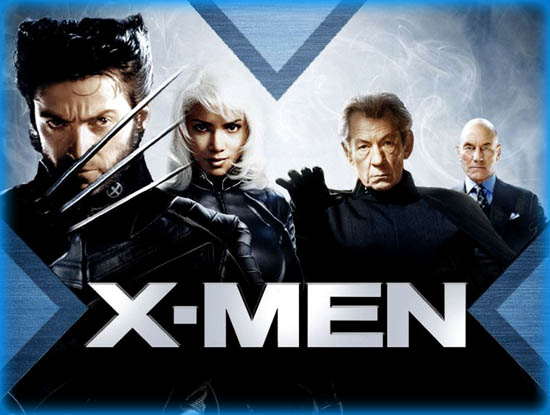
Then the other big thing was the X-Men movie in 2000. And that was…
John E. (24:30)
Yes.
Klint Finley (24:34)
For me, that’s really, it’s not the start of the MCU, it had its own continuity, that was like the first of, was like, mean, Blade came before that too, and was pretty successful, but it was really the first of like, a mainstream superhero movie that did really well, that had a proper budget behind it, and started to really impact culture in a way that, that superhero movies really had not done before. Like Spawn wasn’t that, you know, that was like one of the Spawn and Blade were like the biggest ones before that and you know they… Blade had a pretty big cultural impact I think but it was still kind of niche and like Spawn, I think was, I don’t know if it was a flop or not but it didn’t really have a lot of staying power. I don’t I mean…
John E. (25:17)
Well, both of them are basically horror movies, right? I mean, they’re not like a full on superhero thing, whereas X-Men 2000, you know, even though they were the black leather outfits, they were, had a team and they were putting people in costumes and they were doing a thing and it wasn’t silly in the way that previous iterations were. And, you know, X-Men 2000 is the only movie that I’ve ever watched, I watched it in the theater four times. It’s the only movie I can say that about. There’s many that I did watch three times but that one I kept taking different friends to it because I was like, you gotta see this like, you know, this is cool,
Klint Finley (25:46)
Actually, there were also the original few Batman movies, like the Tim Burton Batman, and Batman Returns, and then Batman Forever, which wasn’t Tim Burton. Those ones all did well. They were a big deal. But they didn’t really create a trend for other superhero movies, it didn’t seem like. I mean.
John E. (26:13)
No, nothing was able to pick up after it. you know, Batman’s well, he’s not really a superhero, right? Like he’s a dude in a suit, but he doesn’t have powers or anything. But it is interesting looking at it in conjunction with the Dark Age, because you have Dark Night Returns happen and then you have Batman come out, which is very influenced by Dark Night Returns. And that is like the major movie that kind of starts the 90s era. And then when X-Men hits in 2000, that’s in the beginning of the next era of superhero movies.
Klint Finley (26:46)
Yeah. Yeah, for sure.
And something else that we could touch on here that was something that started during the Dark Age and really accelerated more after that, but the trade paperback, and that as a format to read comics where before, like if you wanted to read John Starlin’s Warlock or something, you had to track down individual issues or, usually that was, I think one of the earliest ones that Marvel started to reprint for the direct market. But you had to go out and do that. You couldn’t just go to a bookstore and grab a complete volume of it. But that started after Watchmen and Dark Knight, very controversially in Alan Moore’s case, they’ve kept that in print ever since.
John E. (27:29)
Right? I think we may have talked about that previously, but I think there’s a clause that says something like it. If it ever goes on a print, it reverts to him. And so it’s just never gone out of print. It’s still in print now in 2025.
Klint Finley (27:50)
Yeah. And he’s kind of like suggested that they just keep it in print just to keep it away from him. But I’ve also seen, you look at like, sometimes like comic book sales charts come out. Like Watchmen is a perennial best seller. Like it’s like often, like the, some years it’s like the number one selling superhero comic book. Like even, you know 20, 30, 40 years later, however long it’s been, almost 40. Yeah. So it’s, it’s, not just doing it to spite him, but yeah, it’s…
John E. (28:19)
Even the way that they assemble the trade paperbacks is different. Like in those early days, they were kind of trying to figure it out and they’re like, well, can we make this like a book? And so they would like omit the covers and like, re-number all the pages and stuff and try to like, just make like a book out of it. Whereas now, you know, it’s very clear that you’re reading a collection of, of issues cause you get to have the covers and you get to have the dividers.
And you know, the writing has changed too. Like I feel like at Marvel, I could read, you know, one or two issues and get a complete story. Whereas now I know if I read a comic book from Marvel Comics, it’s one sixth of a story because that’s what fits in a trade paperback.
Klint Finley (29:01)
Yeah. It’s also just like every book is going or like every storyline, every series, like the trade paperback is part of the business model now. That’s one of the things that’s changed so much that really blows my mind as a aging person, I guess, is like even in like the early 00s, like a lot of the…you couldn’t get all of the Invisibles or Grant Morrison’s Doom Patrol or Shade the Changing Man in trade paperback form. I think like for Shade and Doom Patrol, only the first story arcs were collected in TPBs. And so I had to go out and buy individual issues of other issues. And for the Invisibles, like weirdly, like some of the story arcs weren’t collected. Most of them were. So there was like a big chunk of it that I had to like, you know, seek out individual issues. And there was still just so much stuff that just, you know, wasn’t collected, like old stuff. And now it’s like you, the expectation is like, it’s going to be collected. Like every old run that you can think of that’s important, like it’s probably been collected at some point. Though now a lot of those are falling out of print as, frustratingly, we found with Alack Sinner, which we’ll be talking about. But yeah, when I was a kid, there were a few things were in trade paperback format, but the idea of waiting for the trade, no one would do that because there was no expectation that there was going to be a trade for anything other than maybe Sandman had that expectation set pretty early on that there was going to be a collected edition of every storyline from that book. Anything else, I mean, it was, you know, if it did well, yeah, you could, you’d maybe expect a trade paperback. But now it’s just like, they don’t know. It’s like, they don’t know if it, I mean, I guess it’s like the movie industry, like everything is going to get, you know, VHS, DVD, now Blu-ray, like there’s going be the home. media edition of every movie, right? Where, like, you expect it. It would be weird if, like, a movie came out and they were like, no, we’re done. We’re not going to make a home movie version of this for people to watch later. It’s just…
John E. (31:11)
Right. Which is funny because you’re actually starting to see that happen now. I mean, there is a streaming version, but like you see certain shows that they were on DVD up until a certain point. And then they’re just like, yeah, we’re not making these DVDs anymore.
Klint Finley (31:39)
Yeah. Well, that’s yeah. TV shows were the same way though. Like not every show. You couldn’t expect every TV show to end up in a home media format. Also until kind of the 00s, I think is when you really, I think it was DVDs. I’m wondering if, yeah, if the business model evolved or if it’s like, know CDs cost more to buy as a consumer, but they cost the companies that make them less money. And I wonder if DVDs are the same way so that companies started to take more risks on putting out entire seasons of shows on DVD.
John E. (32:08)
Yeah, well, I think it was a huge, a huge money generator for them.
Klint Finley (32:11)
Yeah, it’s like once they figured that out. Yeah.
John E. (32:15)
Because there was a second, there was a second wave of income, right? Like you could have a movie and then even if it didn’t do so great, six months later, you could have the DVD and rake in a bunch more cash and same thing for shows. You know, maybe it didn’t do super great on TV, but then you can sell the DVD later. But those can’t, those sales all kind of cannibalize themselves backwards because you know, like we, there’s now readers that wait for the trade paperback.
But there’s also readers that now just skip the paperback because they’re like, well, it’ll be on Marvel Unlimited in six months. I didn’t get to my stack of comics that quickly anyway. So what’s the difference if I’m six months behind reading it?
Klint Finley (32:52)
Yeah.
Cool. Well, should we wrap up or is there anything else you wanted to talk about in this kind of introductory episode before we? Yeah.
John E. (33:01)
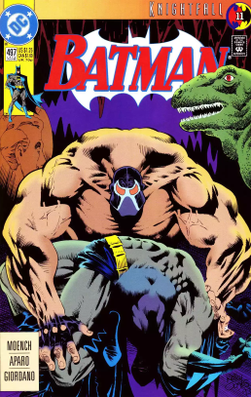
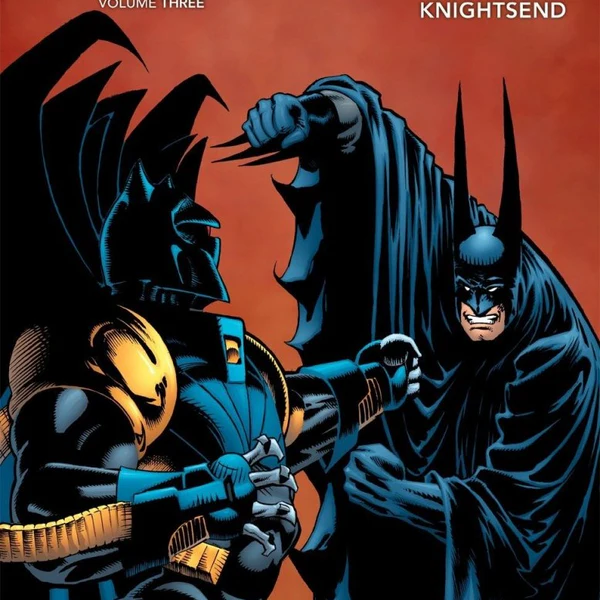
In the preamble? I don’t know, what didn’t we cover? We talked about legacy characters, we talked about the speculator bust-and-boom. You had the big events like Death of Superman and Nightfall for DC. Not only does Dick Grayson get to be an adult and continue his story, like I was talking about, legacy characters developing, but also strangely, he doesn’t become Batman when Bruce Wayne gets his back broken? Like a violent psychopath becomes Batman instead? Which tells you a lot about this era of comics and what was selling and what was interesting to people. Although in a way that’s kind of, they kind of denounce it at the end though, because Batman comes back and he’s like, whoa, this guy can’t be Batman. Like I have to, I have to take the mantle back from this person because this isn’t how it should be. So in a way, that’s also like a weird denouncement of the Dark Age itself, you know, because Batman has Dark Knight Returns at the beginning of the Dark Age. But as we get to the end of Nightfall, he says, no, like I need to be like a more heroic version of me, you know. Kind of interesting.
Klint Finley (34:02)
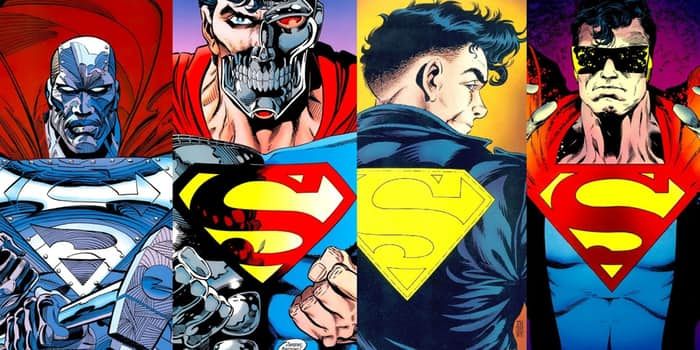
Yeah. Yeah. And the same thing happened with the Return of Superman where it comes back and there’s like four different guys and each one is kind of like it’s their own kind of archetype of the 90s superhero era. But then eventually the real Superman does come back and defeats… two of those four turn out to actually be villains and he defeats them and everything kind of goes back to normal for a while. But yeah, that’s another arc that feels very much of its time with the cyborg Superman and the Superman with the big sunglasses and everything. And Superboy with his loose, like the loose over jacket over his tights and everything.
John E. (34:53)
Yeah, yeah, exactly. Very much of its time.
Klint Finley (35:01)
All right, cool. Well, let’s call it a night and we’ll be back next time. We will talk about either Alack Sinner or maybe Warrior Magazine. And if you’re listening out there, let us know your thoughts. I want to thank Mark Guppy for writing in about the first article and really, driving home the trade paperback part of that.
John E. (35:22)
Yeah, that’s a super huge development really in the history of how these things are collected. You for myself, it’s funny, I’ve kind of rejected the paperback, at least for older stuff. Like, if I’m buying anything before mid 2001, I’d rather have the floppy. But if it’s later than that, then I don’t really care.
Klint Finley (35:46)
Interesting. Yeah. I, I dunno, I’m just a chaos monkey. Just like some stuff I’ll get digitally, some stuff I’ll buy in single issues. Some, some stuff it’s the trade. Like I don’t have like a.. I, you know, I like to have stuff in print if it’s something I feel like I want to return to, especially for the artwork. But a lot of stuff I don’t really mind just reading digitally ’cause you know, my office is just stacks everywhere of stuff. Getting things digitally is kind of nice. I think having like individual issues is cool for… I don’t know, yeah, I hadn’t really thought about it either, I also like, tends to be the older stuff that I like to get in singles where I’m kind of like, I want to know like what was this publisher’s trade dress like? It’s like a weird thing to be into, but like…
John E. (36:30)
Right, right, right.
Klint Finley (36:34)
…getting something like an old Vortex comic or Drawn in Quarterly or something. Like, I wonder what those books looked like back then because I’ve only seen them in in trade paperback form. Like what did the original issues actually look like, smell like, feel like? So I’m definitely interested in that kind of thing.
John E. (36:52)
Absolutely.
Klint Finley (36:53)
All right, John, well, thanks for joining and we’ll talk next time.
John E. (36:58)
Sounds great, we’ll do it again soon.