This is an emergency episode where we pay tribute to the Maxx creator, Sam Kieth, who passed away on March 15th of complications with Lewy body dementia. He was only 63 years old.
In this episode we discuss three major Kieth works:
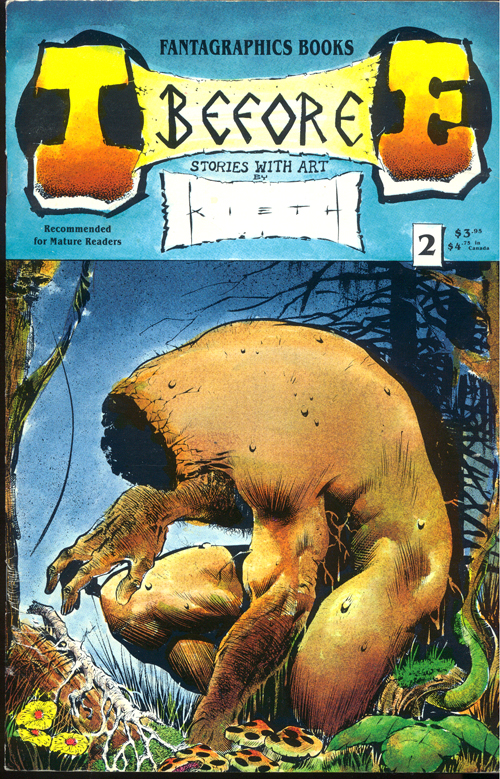
- I Before E, a collection of his early black-and-white work.
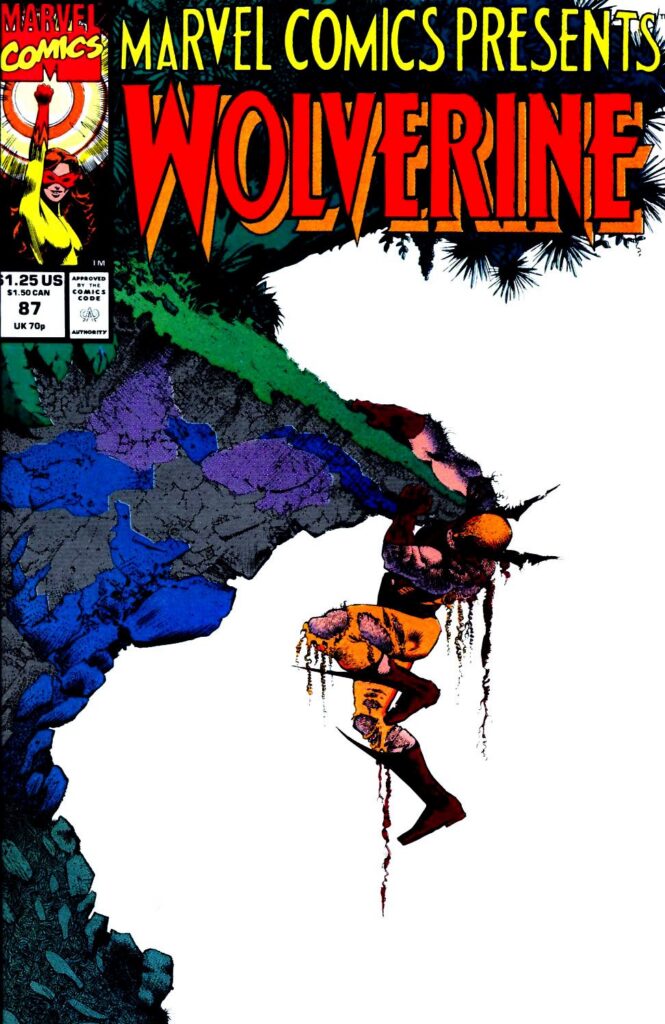
- Blood Hungry, a Wolverine story from Marvel Comics Presents that put him on the mainstream comics map.
- The first few issues of The Maxx.
Subscribe to the podcast feed or find it on Spotify, Apple Podcasts, or your favorite podcast app.
Credits:
Credits:
Hosts: Klint Finley and John Ekleberry
Music: Krudler
Mentioned in this episode:
Uncle Jerk’s Sam Kieth documentary
Sequential Tart’s interview with Sam Kieth (Part 1, Part 2)
William Messner Loebs
Jim Sinclair
Epicurus the Sage (Not Epicurious like I keep saying)
Marvel’s Nightmare on Elm Street Comic (I accidentally said Friday the 13th)
The Maxx: Maxximized editions (These do seem expensive now!)
Ian MacEwan and MCMLXXV
Gloria Steinem and Camille Paglia
Rush transcript:
Klint Finley (00:13)
Welcome to Sewer Mutant, the comic book podcast for Weirdos Like You. Our theme music is by Krudler and you can find more of his work at krudler.bandcamp.com. I’m your host, Klint Finley, and I’m joined as always by my cohost, John Ekleberry. So this is an emergency episode where we pay tribute to the Maxx creator, Sam Kieth, who passed away on March 15th of complications with Lewy body dementia. He was only 63 years old. John, do you want to tell us a little bit about Sam Kieth for-for anyone who doesn’t know.
John (00:40)
Yeah, he had a really unique style. He started off doing some indie stuff at Comico and then he went on to do his own creator-owned stuff. He’s probably most well known for The Maxx and Zero Girl. He also co-created The Sandman with Neil Gaiman, which he only did a handful of issues of. He only did five issues of it, but I imagine that having that status as creator, he probably was able to reap some royalty benefits over his career from that.
Klint Finley (01:08)
Yeah. And also as part of that, he co-created the comic book, like the Vertigo version of Lucifer, who got their own series and a television series as well. So, you know, like you said, just a few issues, but enormously consequential in his work on that, on that book.
John (01:25)
Definitely and Fantagraphics also when he was really starting to explode He got a Wolverine serial on Marvel Comics presents, which we’ll talk a little bit about we just always seem to talk about serials and Then he had his own creator own series the Maxx of course from image We’ll talk about that too But right around the time that those things were coming out Fantagraphics put out a book called I before he that had two issues That reprinted some of his early work and some unpublished stuff
And for me, in issue two, there’s a page called the Kieth Koncordance that has everything that he’d done up until that point. And the librarian in me just loved seeing that one page summary that just had it all very neatly laid out so I could go check some of that stuff out later.
Klint Finley (02:06)
I wish I had known when I started reading issue one that that was in the back of issue two, because I kept trying to figure out like the chronology of when this stuff was coming out. Cause like there were dates on some of it and some of it not. And it wasn’t printed in ⁓ publication order in that reprint. So it was very, very interesting to get that at the end and would have saved myself a little bit of a headache knowing that. So.
John (02:11)
Yeah
Klint Finley (02:30)
Dear listeners, if you are interested in knowing the chronology of the works in I Before E, skip to the end of issue two before you dive into issue one.
John (02:40)
Absolutely. The stuff that we’re going to talk about is primarily from 1991 and 1993. We’re going to cover the Blood Hungry series from Marvel Comics Presents. That’s a Wolverine story that he did with writer Peter David. And also his first six issues of the Maxx. I also took the extra step of watching the cartoon show.
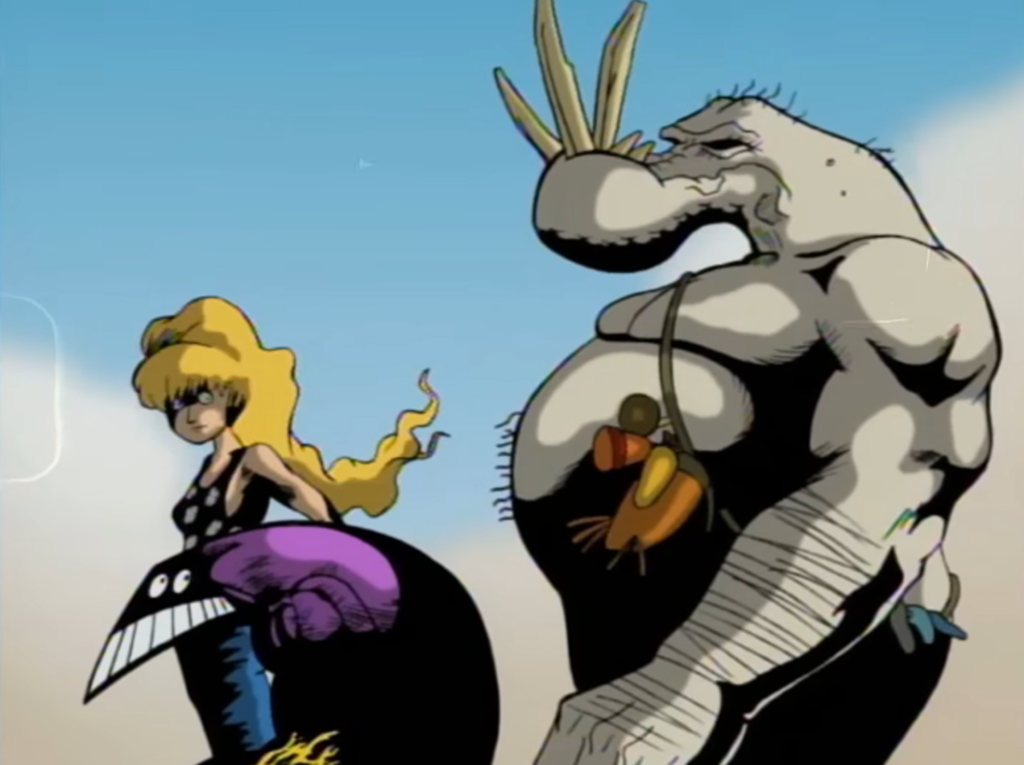
which is probably the most faithful adaptation of anything I’ve seen. really just beat for beat takes those panels and dialogue from the comic and puts it on the screen. The first eight episodes of the show cover the first six issues of the comic plus the half issue from Wizard and the story that was in Darker Image number one.
Klint Finley (03:19)
Cool. Yeah. So before we get into all that, I thought we could just talk about our introductions to Sam Kieth and maybe what he means to us. I for me, it was, I can’t remember if the first thing I read by him was Sandman or if it was Marvel Comics Presents. It would have been right around the same time when my family acquired a very large number of comic books from the comic book store in my town that was closing. And so I just had this like…
Scrooge McDuck jumping into the gold coins. was like, I just had this like giant library of comics all of a sudden that I could look at. And I’ve never even finished going through all of them. They’re mostly in storage in Texas, thousands of miles from where I live. But two of the things that I pulled out of there,
were definitely the first Sandman trade paperback and Marvel Comics Presents. And they both made a pretty big impact on me. I was surprised at revisiting the Marvel Comics Presents issues, how much of that I actually remembered given how long ago it was when I read it. And Sandman is something that it’s hard to talk about now because of the allegations against Neil Gaiman, which are really disturbing and we won’t go into it here, but that was a really important series to me.
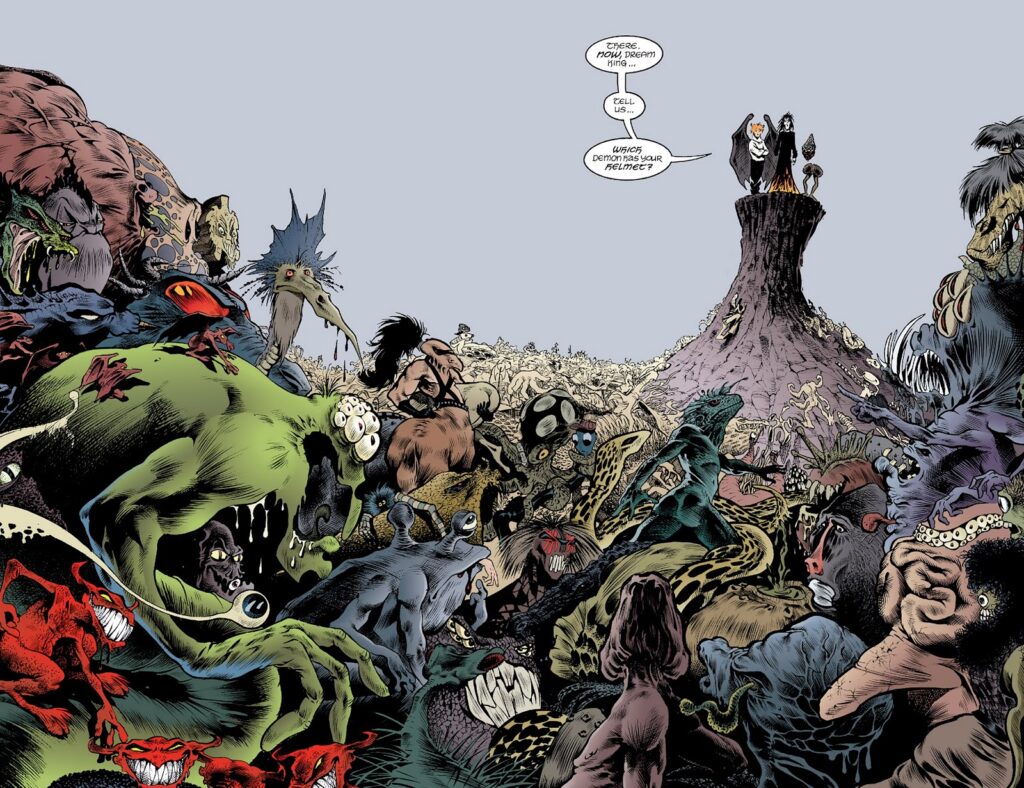
And part of that was those early Sam Kieth issues. He drew an issue that took place in hell. That’s the one where Lucifer was introduced. And it was just an amazing issue that set up a lot of what would come later. yeah, then with the Maxx, I started getting that a little bit after it started. But that’s a book that really spoke to me. I feel like it…
It really hits me in this place where like there’s different aspects of my personality on one hand, kind of the more like serious angsty goth side of me and the kind of silly humorous side of me. He really marries those aspects in a way that I think David Lynch is one of the only other people I can think of that pulls it off quite in the same way. And I think there’s a lot of very Lynchian elements to the way Sam Kieth works. How about yourself?
John (05:15)
I definitely agree with that. I also feel like there’s a real, having now read the stuff in I Before E and throughout the other stuff we read, there seems to be a through line in his work where it’s all kind of exploring the same themes, but we’ll get into that. My first exposure would have been Marvel Comics Presents number 87, which is part three of the Blood Hungry story. For some reason, I had just that issue and I really liked it and I had fond memories of it. think it came in a pack of comics that came with like a comic book box that was sold in department stores. There were five or six random Marvel comics in there. And I thought the art was really cool on it and I really enjoyed it. But I didn’t get the rest of the pieces of that story for a couple more years out of a back issue bin. But it kind of reminds me of the early days where you didn’t have to, I didn’t have to have everything. Like I didn’t have to obsessively collect every single issue of everything. could just enjoy this one issue that I had. And I guess my second exposure would have been when they reprinted the first Wolverine serial from Marvel Comics Presents. Sam Kieth did the cover for the reprint. It was called Wolverine Saved the Tiger. And I still have that copy in my long boxes. And it’s something that I’ve gone back to and read a bunch of times. And I definitely bought it.
because of his cover on the stands, I didn’t know what was in it. I just thought the style was really interesting and I wanted to check it out, which is funny because his style is not inside of it. Although what’s in that book is also, you know, classic. It’s Claremont, John Buscema and Klaus Jansen. You can’t go wrong there. It’s a great story. But those would have been the first two. And then out of dollar bins, I got a lot of his MCP issues later, like the ones where he fights venom. We were not doing that storyline today, but that’s in there.
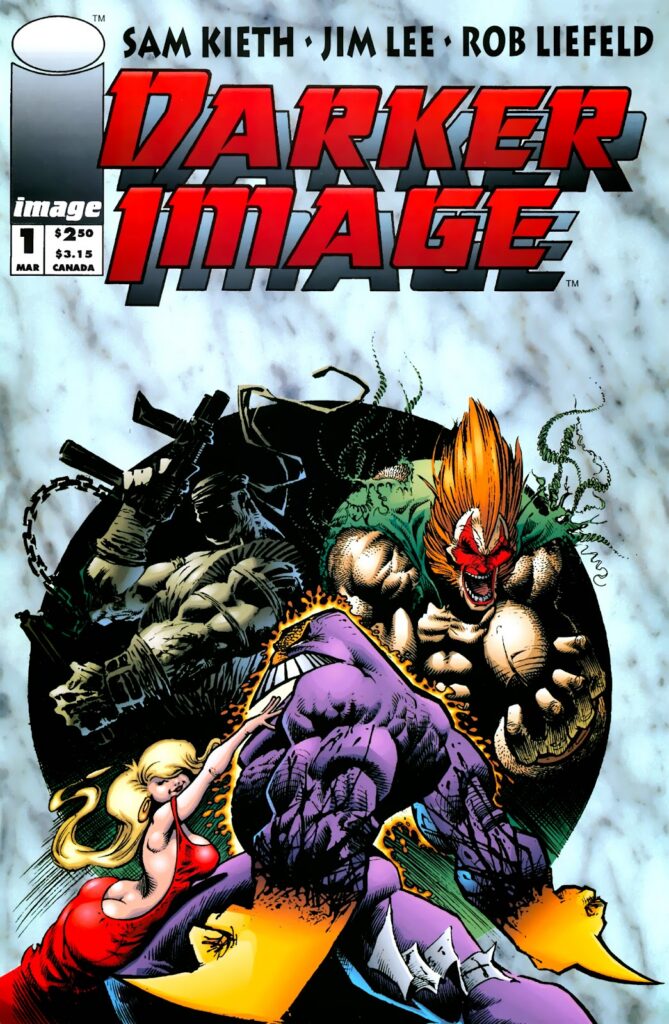
and then the issues of the Maxx that came out. I think everybody had a copy of Darker Image Number One. Like that’s a book that was just all over the place. And it’s funny because some online sources claim that as his first appearance. But according to Capital City Distribution, the first issue of the Maxx actually hit store shelves two weeks earlier. So there’s a little bit of dispute there.
Klint Finley (07:17)
yeah, I think that’s right that Maxx number one came out before darker image number one. Darker image number one was supposed to come out before, but it was really late. So that’s why, that’s where the confusion comes from.
John (07:29)
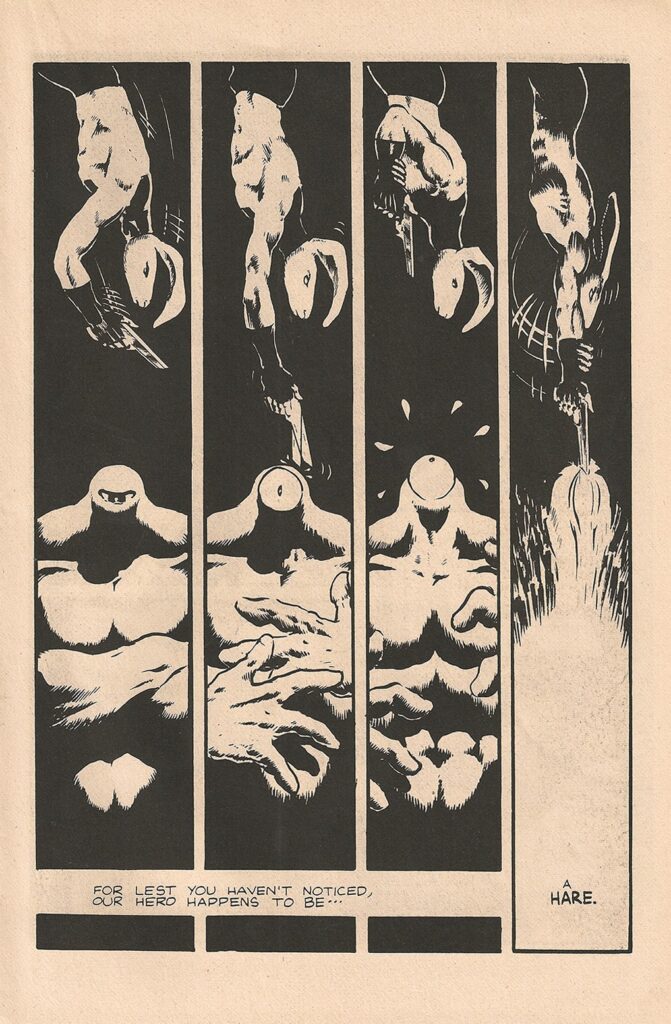
Yeah, as were many image books at the time. So, you know, they often hit shelves later than they had intended. I’m sure that they intended that to be the actual first appearance. And then, of course, there’s a proto version from the 80s in Comico called Maxx the Hare. And that was in Comico Primer Number 5 in, I think, 1983.
Klint Finley (07:33)
Mm-hmm.
John (07:49)
And ⁓ some of that’s reprinted in I before E. So people can see that stuff if they want to. So he’d been ruminating on these ideas for a long time. And a lot of the ideas that pop up in the Maxx are things that you see in those earlier stories, know, proto versions of.
Klint Finley (08:03)
Yeah.
Yeah. yeah, I before he was something I suggested that we read because I had never looked at it before. I knew it from just reading the Maxx that would be advertised in issues of the Maxx is like this thing you could get to read his early work. And it was something I always wanted to do. So this was a good impetus to finally do that. And I wasn’t disappointed. It’s really interesting. Early work.
It’s, you know, it’s, mean, the quality is, all over the place on it. Some of it is really strong and shows you a lot of where he would, of what he would do. I think coming right out of the gate to that, that Comico primer number five is his first published work and it’s the first appearance of the Maxx. I think it’s, it really does look good. It’s a little confusing to follow the action. mean, he’s definitely still a beginner.
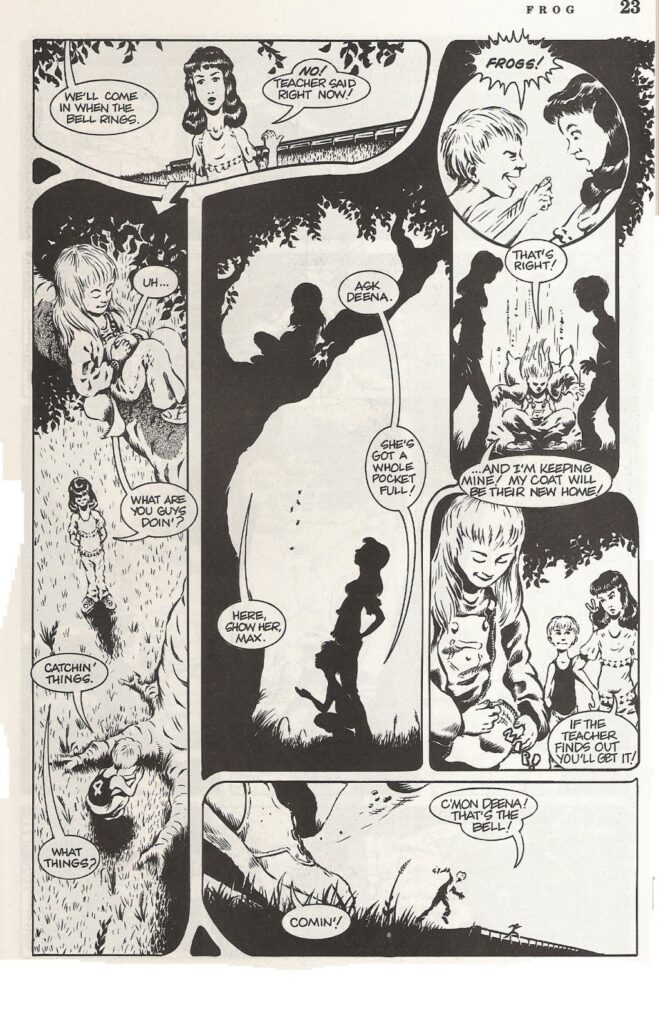
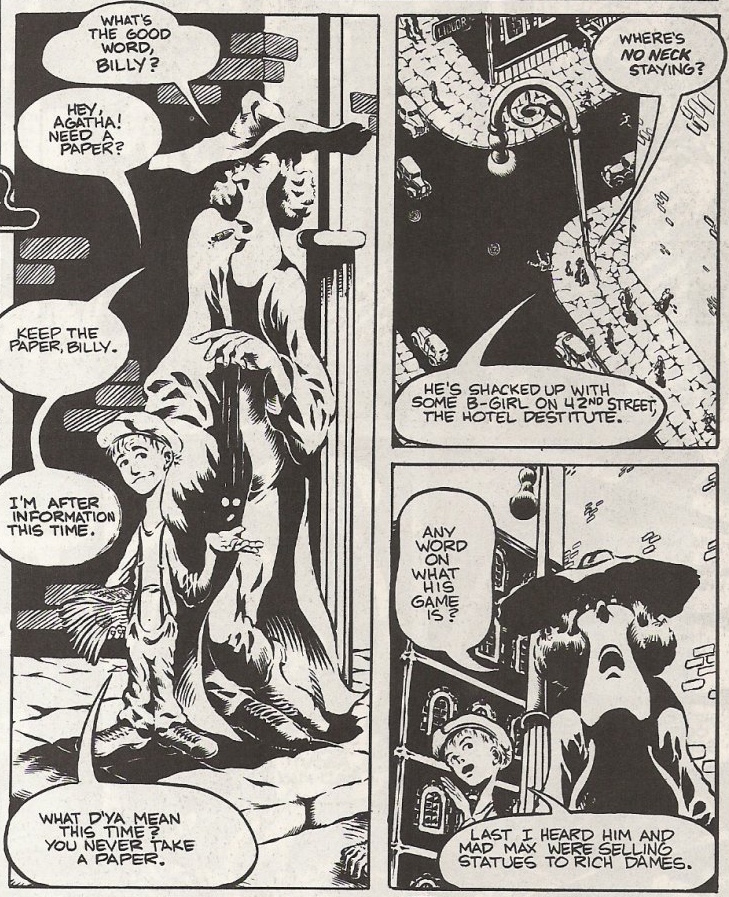
in that. He was 20 years old when that came out. But you can, I think it does show the artist he was becoming or that he would become. And some of the other strips that were reprinted are really strong as well. The one about the girl with the frogs, I think, is the one that feels the most like the darker aspects of the Maxx with a girl and her pets and some trauma associated with that is, so like you said, like some of the themes there very early on. Those detective stories, I forget the names of them. think were just visually, I think a really good representation of his work and where he was going as an artist. I also really, I don’t remember actually that much about the art in this one, but the one about the guy that’s been trapped in a bathroom for decades.
John (09:41)
⁓ yeah, yeah.
Klint Finley (09:41)
I just thought that
was really funny. was a lot of gag comics, you know, just don’t really land, especially older ones, it seems like, but that I thought that one was, that was really good.
John (09:52)
Yeah, I really enjoy, you know, I wish every artist that I loved had a two issue series like this that reprinted all of their early stuff. It’s, so cool. I mean, some do, you know, ⁓ well, everything always comes back to James O’Barr for me, but there’s, there were a couple of black and white issues, ⁓ that were published of his early stuff at one point that is kind of analogous to this. But I do like that this made an attempt to really kind of do his entire chronology up until that point, at least of the shorter stuff.
⁓ He did do some other work as an inker early in his career. He inked a mage for Matt Wagner for several issues for a couple years there. And he did some art for ⁓ adolescent radioactive black belt hamsters, the Ninja Turtles parody. I also noticed this morning when I was looking over my notes again that he did one issue of Grim Jack. I have a friend that’s no longer with us that was a big Grim Jack fan, so I’ll probably check that.
issue out at some point. And also we just did a Manhunter episode and he inks some issues of Manhunter for DC, not the one we talked about, but a later version.
Klint Finley (10:47)
we should do…
Yeah. And this episode will probably come out before the Manhunter episode for, so listeners, didn’t miss anything. It’s just the emergency broadcast is coming in before everything else. Yeah. So he also did a work with William Messner Loebs, who was the scripter on the first 24, 25 issues of the Maxx. And
That was called Epicurious the Sage. And that was really critically well received, but not a big commercial success. That was from DC’s Piranha Press imprint. And also pretty interesting that he did an Aliens miniseries that James Obar has said in interviews that Dark Horse approached him about doing, and he turned it down and they gave it to Sam Kieth, which he said was probably a better choice for it.
Though I know Sam Kieth had a really rough time on that book where the 20th Century Fox made him redraw a bunch of stuff or had somebody else redraw stuff in it.
John (11:53)
That’s a
little bit of a shame because I feel like his style would be really well suited to that world. I would like to see, you know, Geiger designs through a Sam Kieth lens, but I haven’t read that series yet and it would be interesting to see, you know, the published version and then maybe some of his sketches that were changed or something like that ⁓ if that stuff is out there and still exists.
Klint Finley (12:13)
Yeah, I have no idea what was changed or if the earlier versions exist anywhere.
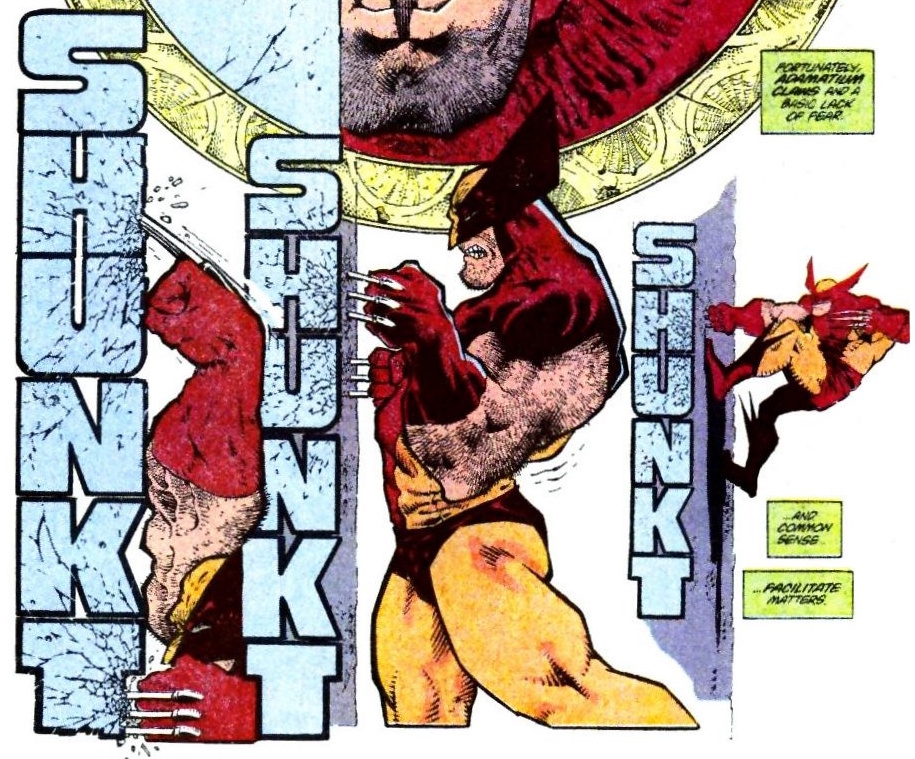
Yeah, and so then we moved on to Marvel Comics Presents. so, yeah, like I said, this was something I had read before. It was written by Peter David, who is also no longer with us. Also an amazing writer in his own right. One of my, some of my all time favorite stuff on X Factor. He also did a long Hulk run. This, he didn’t do a lot of Wolverine though.
But his, this was actually, I thought a really good Wolverine story. And yeah, it held up surprisingly well, both visually in terms of Kieth’s contributions and the story by Peter David.
John (12:48)
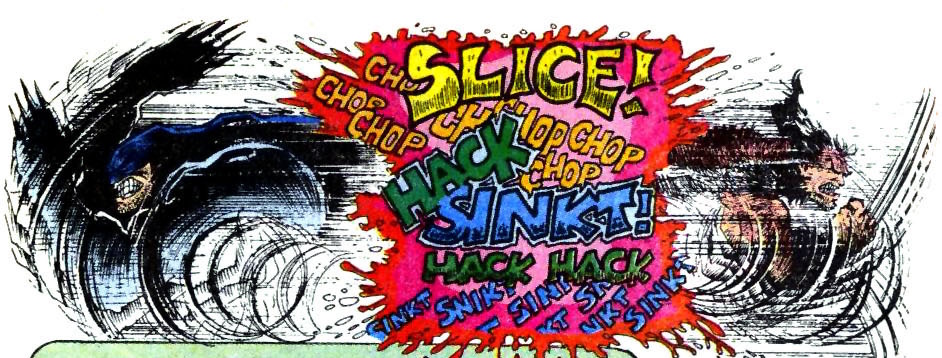
⁓ Marvel Comics Presents had just come off of the Barry Windsor Smith Weapon X. That was the arc right before this. That ended in issue 85 and in 86 starts this story. So you go from having those awesome stories and covers to this new interpretation. And I feel like Peter David’s writing is really funny and is really tongue in cheek. And… ⁓
much like many of other Sam Kieth works that kind of try to blend fantasy and reality and kind of have a collision of those ideas. Part of this story is that Wolverine gets like a hallucinogen in his blood early in the storyline. so a lot of what we’re seeing allows Sam Kieth to draw all kinds of crazy stuff and different scenarios that you wouldn’t normally see in a regular Wolverine comic. But it all holds up pretty well and all looks really cool.
I just like the rendering of all of the detail, you know, and it’s the first appearance of Cyber, which is a Wolverine villain that kind of has some echoes of Sabretooth in that they have this grudge from the past that’s gone on and he’s one of the only people that Wolverine’s scared of because he’s able to beat him. And then this storyline is about him kind of reconfronting and overcoming him.
And I like the idea that Wolverine doesn’t really remember Cyber or all the details, but once he encounters him, some of that starts to come back to him. And some of it comes back to him through the lens of those hallucinogenics. But by the end of the story, of course, he’s able to overcome. But Peter David’s writing’s pretty good, I felt.
Klint Finley (14:20)
Yeah. And that kind of touches back on, you you mentioned that we’ve been circling around Wolverine a lot and we talked about how Marvel Man may have been an influence on the decision to have Wolverine have false memories. And this is one of those early looks at him having false memories. This is actually before the Larry Hamma Wolverine issue 48 through 50 storyline where he discovers
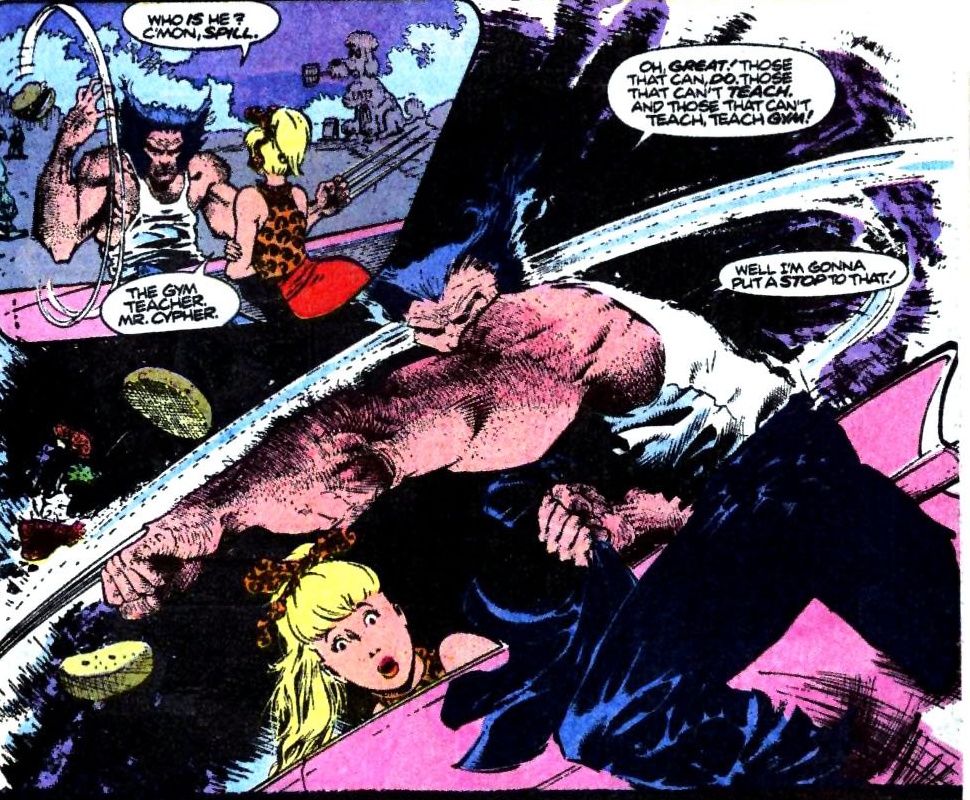
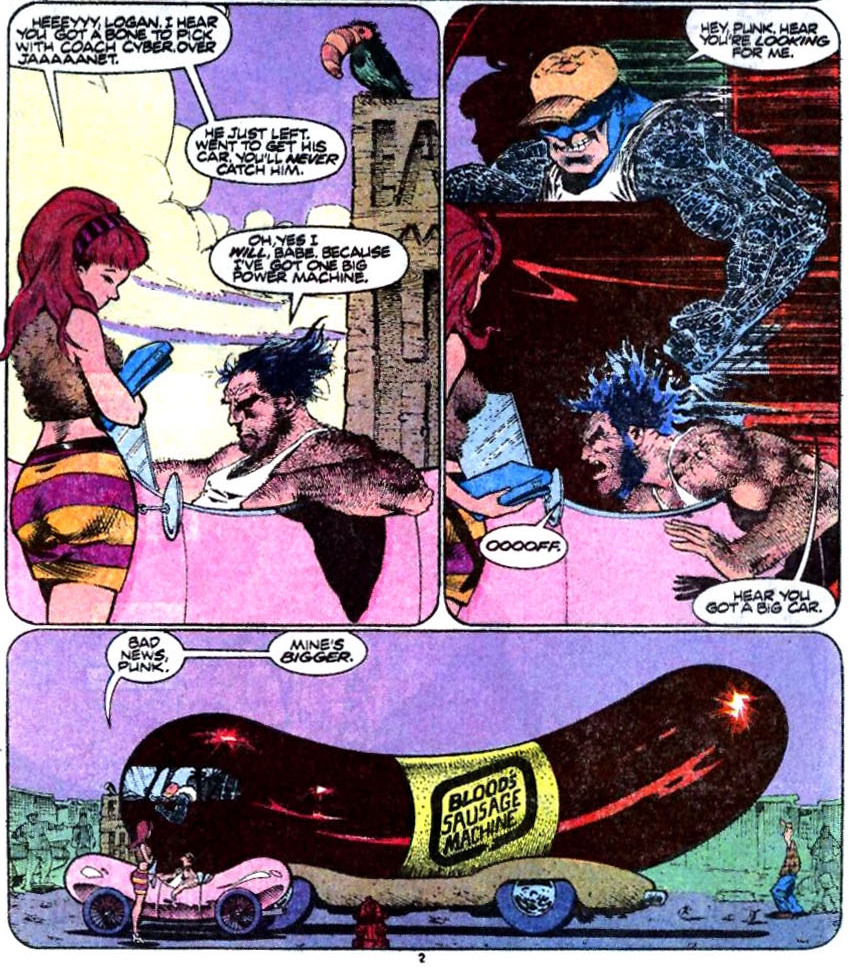
Wolverine discovers like the movie studio where a lot of his false memories were recorded. So it had been established in the eighties that he had memory problems. And so I think that’s maybe a little bit of what’s being alluded to here and that he doesn’t remember why he’s scared of cyber or who exactly, but he just remembers that he had bad experiences with cyber. And then he has the, like you said, the hallucinatory
memories that where he’s like a teenager or something. And, ⁓ cyber is the, the, PE teacher.
John (15:13)
I also like the line from Wolverine where he’s talking about his memory and he says that, you know, his body heals, but his mind doesn’t really heal. And so like he’s carrying the trauma of, you know, however long he’s lived, which we don’t actually know at this point because Wolverine’s still drawing as a character. right after this story, there’s another story in Marvel Comics Presents that Kieth does the covers for, but not the interior art.
where it tells us the story of Wolverine like a hundred years before that or whatever. And that’s eventually contradicted by the stuff in origin that’s told much, much later. But at the time, you know, that was what we had as a past for Wolverine. And it’s told kind of in a mythical way that’s like, well, maybe this happened, maybe it didn’t. But it gave some interesting insight into the character.
Klint Finley (16:00)
Yeah. And so this, another interesting tidbit here is that Todd McFarlane was supposed to draw this, this storyline and he dropped out and they brought in Sam Kieth instead.
John (16:06)
Okay
I
could see that and they had, he’d worked with David on the Hulk at that point already so that I could totally see that.
Klint Finley (16:14)
Yeah.
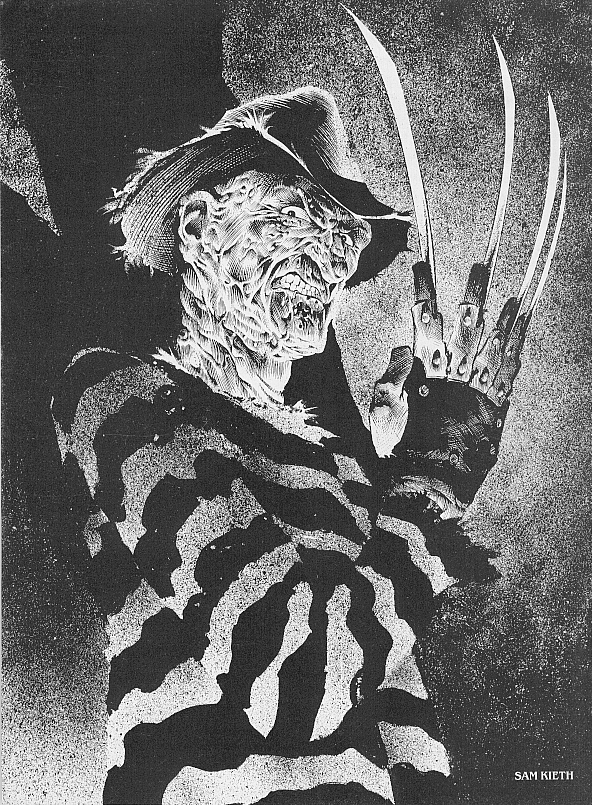
He and David were also supposed to do together a ⁓ Friday the 13th comic but they end up both backing out or maybe keep or maybe Peter David wrote some of it but Sam Kieth didn’t end up drawing anything more than a single pinup and Marvel yeah, I think there is a mark. Yeah, I think there is a Marvel Friday the 13th series that some of it was published. ⁓ Yeah.
John (16:23)
Really?
Do you know who was going to publish that?
It was going to be through Marvel.
Huh. I’ll have to check that out.
Klint Finley (16:42)
And you can see where Sam Kieth would be on the one hand perfect for it, but also the studios would probably have lot of changes. which is, I guess, a major frustration point for him at that point in his career. it’s Karen Berger and Neil Gaiman were not entirely happy with a lot of Sam Keys work on Sandman, particularly the first issue. He had to redraw a lot of his pages and didn’t get
compensated for the original versions. it seems like that was part of why he ended up leaving that book. He felt like he never fit that title at all. And I disagree. I mean, I think those early issues, I mean, I think they’re great. think they really set the tone for everything that would come later. But I mean, I know a lot of people
I know he wasn’t happy with it. It seems like Berger and Gaiman weren’t happy with him. And a lot of fans are like the later artists a lot more than him. I don’t know. I disagree. I don’t know. But the strength of the Marvel Comics Presents era, I think, what catapulted him into the position that he could…
he got invited to work at Image. And like you said, darker image is where that started. And you mentioned of doing anthologies and serials. That is where the Maxx started was another anthology So a lot of my information on Sam Kieth comes from a long interview he did with sequential Tart in 2001 and a
five-part documentary series on YouTube by a YouTuber who goes by Uncle Jerk I’ll put it in the show notes. ⁓ I’ve only watched the first three installments out of at least five, and so he goes really deep on Sam Kieth and his career, but so apparently
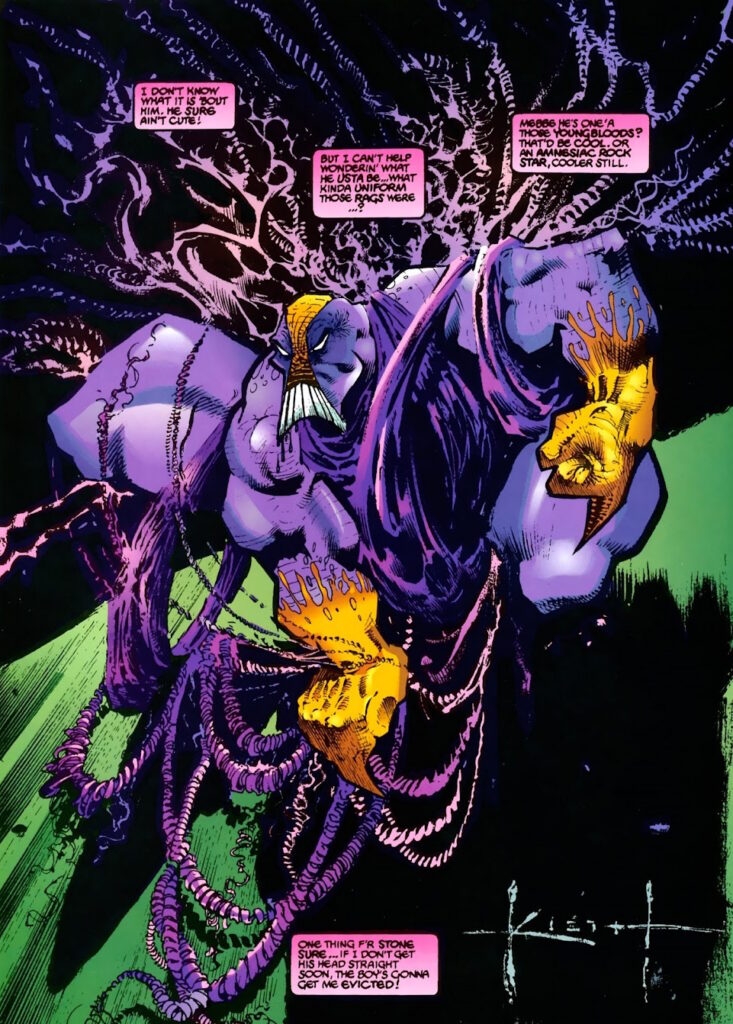
Kieth only ended up doing the Maxx because he thought it was going to be an eight page contribution to an anthology. Darker Image was supposed to be four issues. He thought he’d do four eight page stories in a darker image and that would be it. And he wasn’t going to, he didn’t want to do another monthly comic because he’d had bad experiences on Manhunter. He’d had
bad experience on Sandman, had a bad experience on Aliens. His work is hyper detailed and a lot of work to produce. So he didn’t, I think, want to do a monthly, you 22, 24 page comic book. So it seemed like a good idea to do an eight page book that was going to, you know, he knew it was going to sell well because it had Jim Lee and Rob Liefeld in it. So that seemed like a great opportunity, but somehow.
I guess the, you know, things, one thing led to another and suddenly he’s doing a solo Maxx book and it ends up coming out even before Darker Image came out. And there’s merchandise, there’s a cartoon, it became this huge thing.
John (19:26)
Yeah, I mean, and it looks like he kept it fairly on schedule. mean, six issues came out in 1993 and another six issues in 94. So basically doing it bi-monthly, I guess. And that series ended up going 35 issues total. I mean, it did get stretched out a little bit at the end. lasted until 98, but most people are probably familiar with the earlier issues, if that’s what they were picking up at the time.
But I did get a few of those later issues off the stands when they were being published. I haven’t read all of them though. And I kind of would like to now. As I mentioned, I went through and watched the cartoon, really like you can almost read it along with the comic and compare the panels and the dialogue. And the cartoon probably goes up through maybe like issue 10 or 12 or something. I’ll have to see. I know what at least to go through issue six, because that’s what I watched, but I have five episodes left still.
which is exciting to me. And there’s also a, there’s an interview with Sam Kieth and some of the other people that worked on the show on the disc that I watched this morning. And that was cool to see him, you know, talk about it. And as he’s talking, he was doing a sketch of the Maxx and doing some, some coloring and stuff on that and showing some of his designs and things like that. It was nice to hear him talk about it and, to say it was just kind of a real kind of lightning in a bottle moment that like he got to
Klint Finley (20:23)
Yeah.
John (20:48)
you know, make this comic and then almost immediately within a year or two have it made into the show and have so much input on it and, know, have it be so faithful to his work. And he said that, I think this interview was from like 2009 and he said, looking back on it, it was one of the best times of his life creatively. So that’s, that’s really nice to hear.
Klint Finley (21:06)
Yeah, that’s one of the things in the documentary that he’s a very self-deprecating creator and very modest. And he had a very bad time. You know, I mentioned with Sandman, with aliens, um, the Maxx ended up becoming a nightmare for him legally. Um, there’s not much detail about this publicly, but apparently there was a protracted lawsuit that went from, that started in like 93. So basically from the very beginning.
of the Maxx and it didn’t get settled until the 2000s, like 2001 or something. And it nearly bankrupted him. It destroyed his faith in humanity. I can’t find, so the documentary refuses to say, and he’s barely spoken of this publicly at all anywhere, but he won’t say who sued him, but it was somebody who claimed ownership of
John (21:38)
Wow.
Klint Finley (21:55)
the Maxx or co-ownership or co-creation of the Maxx. And it seems pretty clear it’s not William S. or Lobs or anything, ⁓ but I don’t know who it would be.
John (22:03)
Well, and it’s pretty wild because
he had those earlier stories, you know, with Maxx the Hare and all of that. So it doesn’t seem like somebody could come in and, you know, claim that they… And it seems like that would be more public too, but who knows? Who knows?
Klint Finley (22:19)
Yeah,
I have no idea who it was, but that he said that when he looks at the Maxx, a lot of people look at the Maxx and see nostalgia. see this great comic book and all he sees is lawsuits. But he is really positive about the cartoon. That’s like the one thing in his whole career, it seems like, that he is actually proud of and that he ⁓ had a positive experience working on.
was really enthusiastic about.
John (22:46)
Maybe he allowed himself to be more enthusiastic about it because other people were working on it too. And he was a little more comfortable talking about, you know, their work and what they brought to it, you know, and not just himself. Cause like you said in the I before E, both before words in issue one and an issue two, I think the first one’s by, ⁓ William Messer Loebs. And the second one is by the, somebody from Fana graphics, but they both talk about that, about how like self-effacing he was and how he was never really like satisfied with his work.
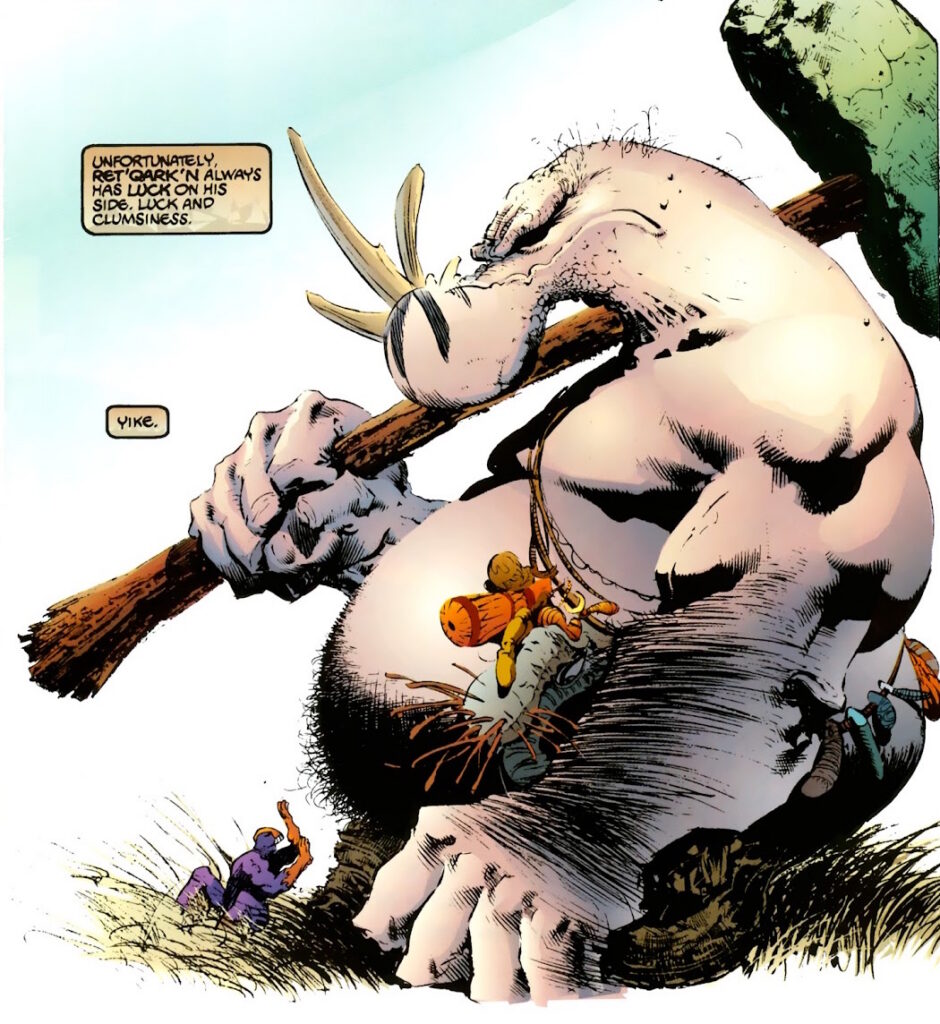
always felt like he was riding other people’s coattails or that other people perceived him to be riding other people’s coattails. And that certainly wasn’t really the case. He really came into his own and was a fantastic creator loved by many.
Klint Finley (23:19)
Yeah.
Yeah. So, yeah, I think you’re onto something there about part of it being that it was this collaboration with all these other people and he can’t be, you know, he can’t just be self-deprecating there because if he were, it would be to drag down a lot of other people who were, who were putting a lot of work into it. Though that said also, mean, William S. Nellows is a huge contributor to the Maxx from, by all accounts like that. He’s, he’s only accredited as the scripter, but
they would have long, long conversations about the stories in advance of Sam Kieth drawing an issue. And he had a lot of input. It was one of the really major important contributions is that they had a disagreement over the character of Sarah, who’s introduced in issue four. Sam Kieth had actually had her had planned on having her commit suicide in that issue. And William Messner-Lubbs said, I’m not quitting the series.
but I won’t write that. If you want to have a teenager commit suicide in your comic, you have to write that issue. I’m not doing it. And so Sam Kieth ended up deciding not to have her commit suicide. Then she became a really important character for the series. ⁓
John (24:29)
Well,
they still got to explore those, you know, those issues that the issue that you’re talking about still deals with those things, but she just makes the choice at the end not to kill herself, which is great, you know.
Klint Finley (24:39)
Yeah.
Yeah, I think it was a, yeah, it was an important decision and that came from Loebs. And then the inker on it, or he’s actually credited as finisher, Jim Sinclair, was he, a lot of the detail in those comics, I guess, actually came from him. ⁓ So.
John (24:58)
Very cool.
Klint Finley (25:00)
It’s yeah, I just want to give credit where credits to you, especially to William Esner Loeb’s who’s still alive and Could use sounds like he can always use support. ⁓ There was a good
John (25:10)
I got a chance to
meet him at my local comic store in the 90s. I didn’t know he was going to be there. I just went in to buy my comics and he was there signing comics. And so I talked to him for a little bit and he signed one of my Maxx issues for me and he was a really nice guy.
Klint Finley (25:26)
Yeah, he’s another Michiganer.
John (25:27)
Yeah.
Klint Finley (25:28)
And, yeah, I also made a note here. We talked about how, ⁓ Michigan really punches above its weight class Sacramento also, ⁓ cause that’s where Sam Kieth is from. The brothers Vigil are from there as well. Kelly Jones, Ron Lim, and, ⁓ not as well known, but a friend of mine, actually, Ian McEwen, who did, ⁓ MCM LXXV with Joe Casey. And he’s done a bunch of other stuff too, but.
That’s probably the thing that he’s best known for.
John (25:55)
Tim Vigil’s name popped up someplace when we were reading. Was it in I before E? Was he on one of those strips?
Klint Finley (25:59)
He is… no,
he was credited as an art assistant on Marvel Comics Presents Number 100. And yeah, and it was… ⁓ I can’t remember where I read this, but I’m pretty sure… I mean, it seems obvious that Sam Kieth brought him in to do it. They knew each other. I have heard that… so in the first…
John (26:07)
very good, yeah.
Klint Finley (26:20)
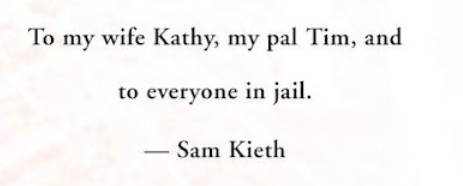
collected edition of Sandman Preludes and Nocturnes. Sam Kieth, his dedication is to his friend Tim and everyone in jail. And I have heard that the Tim that he mentions there is Tim Vigil.
John (26:33)
that’s cool.
Yeah, both of us, of course, are our Vigil fans. And I suppose at some point we’ll talk about Faust and all of that. But it was neat to see his name on a mainstream comic. It’s not like he does a lot of Marvel work or whatever. And that issue 100 was kind of interesting because normally Marvel Comics presents as four eight-page installments. But for issue 100, they got all the characters that are normally in the book and told one big story that runs through the whole
Klint Finley (26:48)
No.
John (27:03)
things so it’s actually a regular 22 page story although they still kind of broke it up with the different characters they’ve got Dr. Doom, Wolverine and Ghost Rider and I think ⁓ did Peter David write that one too?
Klint Finley (27:14)
No, Howard Mackey did, who I think was the main… Yeah. Yeah.
John (27:17)
Howard Mackie wrote it. Well, he was writing all the Ghost Rider stuff at that point. And actually,
he kept a tight creative leash on Ghost Rider. Even though Ghost Rider blew up and was appearing all over the place, he made sure that he was the writer on the regular series, but also on all of the Marvel Comics Presents stories that had Ghost Rider. He did, I think, all of them or close to all of them himself.
Klint Finley (27:38)
Cool, yeah.
So we could also touch a little bit on here. You had mentioned the collision of fantasy and reality and how that goes all the way back to those early stories. I mean, the other, so the Maxx first appeared in Comico Primer. The Is first appeared in Critters, also in the 80s in a fan of graphics anthology. So yeah, those are
characters were around for him going way back. the, the I before E, it came out before the Maxx was announced, but it mentions in there that he had a plan to create a universe where all the characters from all his stories existed and interacted. And there’s little nods to that even up into Zero Girl, where Julie Winters is mentioned in Zero Girl. She sold her car to the teacher in that.
John (28:26)
I love little nods like that. That’s pretty cool. That’s fun.
But yeah, like you were saying, I think that there’s a through line here as far as the collision of fantasy and reality and using the fantasy to either mask or deal with trauma or, you know, examine trauma in some way. And through the things that we read here, if you read I Before E and Blood Hungry and the Maxx, I feel like they’re all very similar in that way where the character kind of
escapes to a hallucinatory world or has something very unreal kind of seep into the real world that they have to deal with. And that seems to be, I haven’t read Sandman, but that in a way kind of that whole property and idea kind of feeds into that same arc as well.
Klint Finley (29:12)
Yeah.
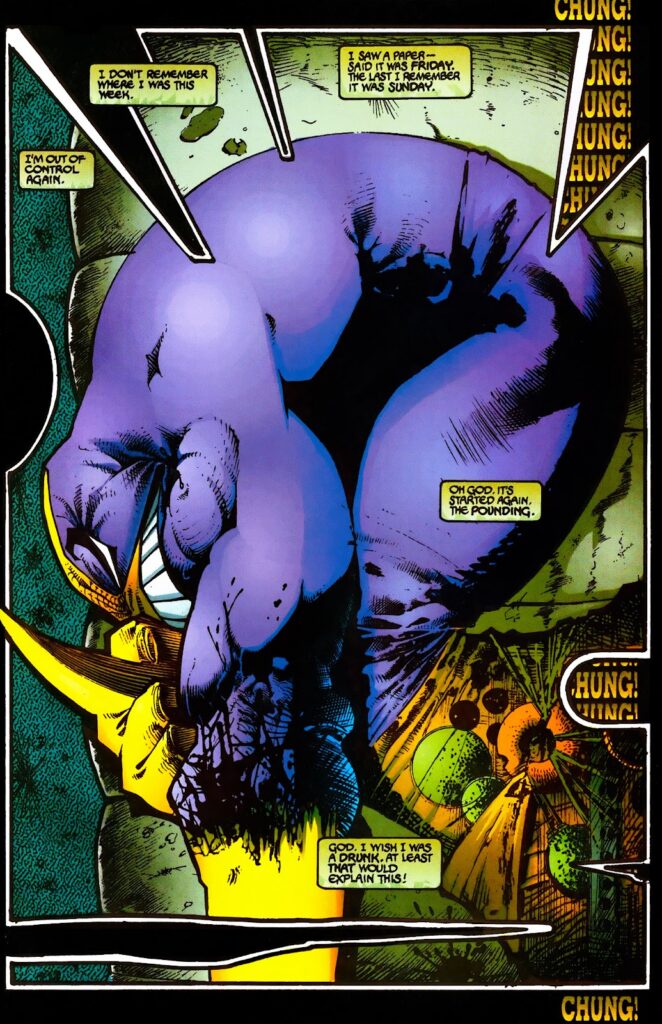
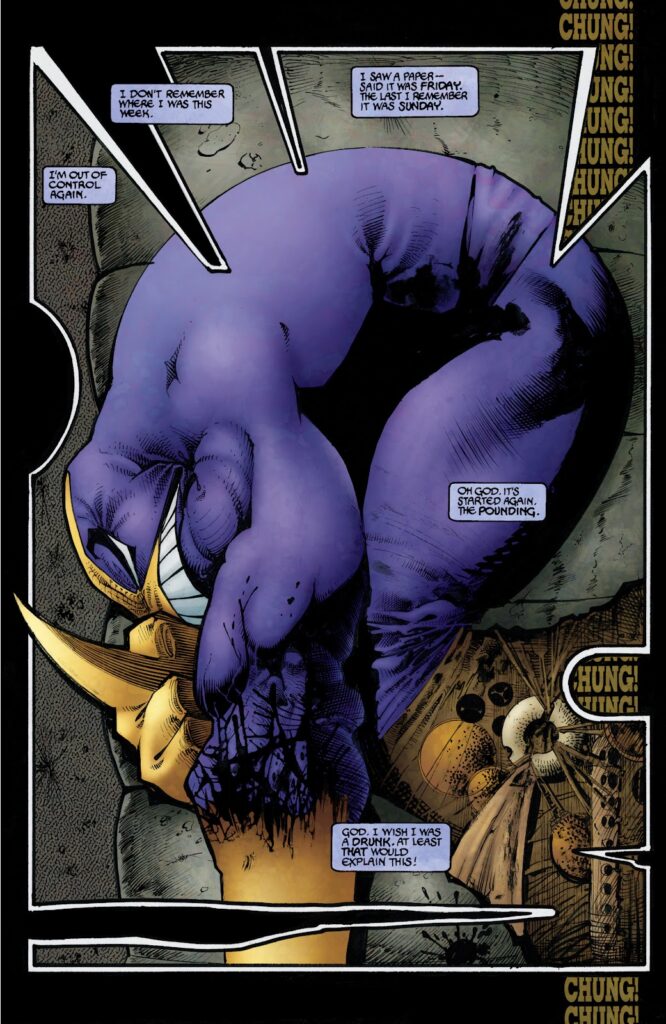
Yeah, for sure. Yeah. one of the interesting things about the Maxx, at least in those early issues, I don’t know. I never finished it. I need to definitely go back and finish it at some point. But something that’s interesting about it to me is that it’s not clear which world is real. It’s at times suggested that the world that looks like our world, the city, is actually the…
hallucinatory world and that the outback is actually real even though it intuitively it seems like that’s the fantasy world but there’s reason to believe at least within I read the first four issues for this because that’s what’s in my I have the Maxx maximized reprints and ⁓ They they’re bundled in sets of four so so I stopped there and then I watched the first two episodes of the cartoon and
Yeah, I think there’s reason to believe from that that the urban world is actually the fake world.
John (30:06)
Yeah, Mr. Gaunt straight up says that to the Maxx at one point, although he’s the villain. like I then inherently tried to, you know, I feel like I disbelieve him, but, it is possible that in that world, the, the true world, you know, is the outback. I guess it’s worth talking about. You mentioned that IDW republished the whole series. was that like around like 2012? I want to say maybe, maybe I’m off there on the year, but they, they republished everything with new colors.
And ⁓ they reprinted it all as single issues as the Maxx maximized. And I picked up a couple of those when they came out. I kind of wish I would have bought them all, but I wasn’t going to the comic shop as much. And then they did the hard covers or whatever, which are probably also out of print now at this point. But hopefully people can find this stuff. It might actually be easier to get the single issues than it is to get the collected editions, I’m not sure.
Klint Finley (30:54)
Yeah. So I don’t think there were trade paperbacks until the early aughts. I think, from Wildstorm. And then there’s the maximized reprints.
I don’t know what they go for now. I got mine on clearance at my local comic shop for like five bucks each or something. Just a steal because they’re beautiful books. Getting the single issues though is those have the letters page, has a lot of Sam Kieth interacting with people. have ads and stuff for I Before E and information about his past work.
So I think it’s worth getting those. ⁓ I have some of them and I wish I had more of them. And the ongoing topic for us is that question of recoloring. I think the color in the reprint in maximized is fine, but I don’t, it seems so unnecessary. know, the color was great in the originals. Why publishers keep doing this. Well, actually Sam Kieth explains in the introduction to the first one that he just was
Klint Finley (31:50)
He felt unhappy with the colors the first time around. doesn’t blame Steve Oliff who did the colors for that. He blames himself for not having enough time to supervise things or everything was happening so quickly that Steve Oliff had to do rush jobs a lot and there wasn’t time for corrections. So, ⁓ this is supposedly it was, you know, the maximized versions are closer to what he wanted them to look like to begin with, but there’s something more vibrant about the colors in the originals.
It’s a more muted color palette in maximized where there’s a lot more like popping bright colors in the originals and I think that suits the story better and it’s what you know, I think people I mean, it’s the version that people fell in love with and to to go and and And change that I don’t know. It always rubs me the wrong way. It seems like But at least in this case, they don’t look bad
John (32:29)
Right.
Well, and as much
as they say that it’s a very the George Lucas kind of thing where you, even if it is your original intent or you think you’re readjusting it, it does seem to kind of reflect the time that you’re doing it, not the time that you did it the first time, right? Like all these muted color palettes were more in vogue when these things were recolored. And it’s not really.
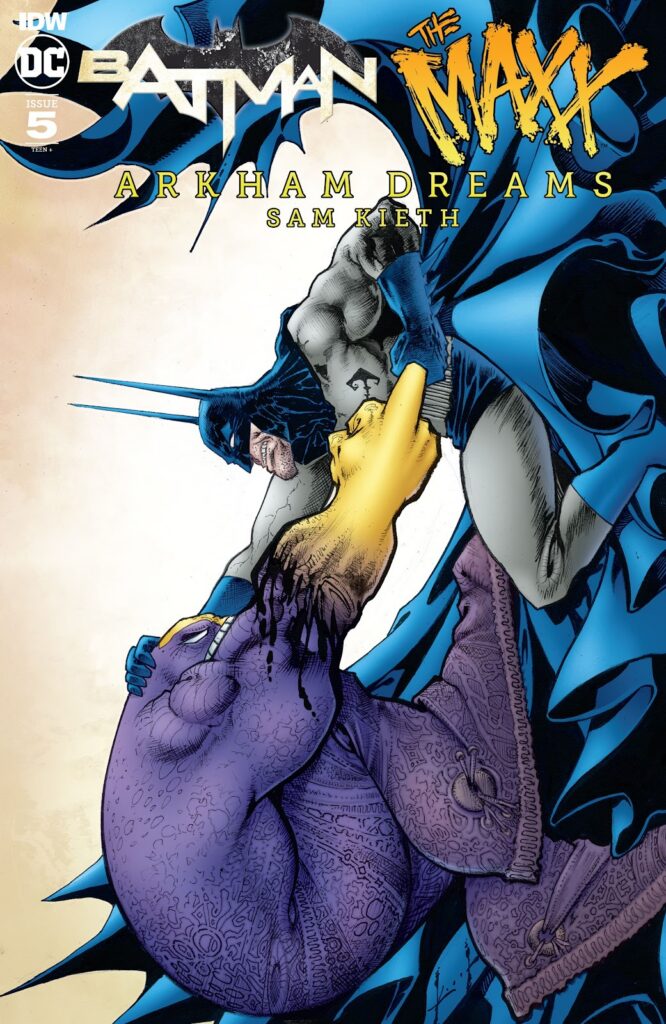
what I’m looking for. I read the originals when I read it. And I guess it’s worth noting, too, that the last thing that Sam Kieth, the last major project that he worked on between 2018 and 2020 was also a Maxx
thing he did Batman versus the Maxx. It was five issues. The first three came out in 2018 and then there was some delay before the last two came out in 2020. But that was his last major project and I haven’t read it yet, but I would like to.
Klint Finley (33:29)
Yeah, I haven’t read it either. But likewise, I want to read that, but I want to finish reading the original Maxx run first. And I think we need to do some more Sam Kieth episodes. seems like I think doing Epicurious, Epicurious, the Sage would be good. And then finishing the Maxx, I think would be, would be great. And then I would think about some other stuff too.
John (33:40)
for sure.
I think maybe there’s a part two to this where we go into some of this other stuff. A friend of mine texted me this morning, not knowing we were going to record this and said, hey, when are you going to do a Sam Kieth episode? And I said today. And he said, well, what are you reading? And I told him, he’s like, no, zero, girl. Like, that’s my favorite. And I’m like, well, sorry, we can’t do everything at once, but we’ll maybe get to that in the next one.
Klint Finley (33:51)
Yeah.
Yeah, I love Zero Girl too. It’s a little bit outside the time period that we’re trying to mostly cover here, but that doesn’t mean that we can’t sometimes do episodes that are outside of the dark age. And we might have something coming on that anyway. But yeah, this just seemed like a good place to start with his work, like getting, hitting his early work, his big Marvel thing, and then, you know, the Maxx obviously.
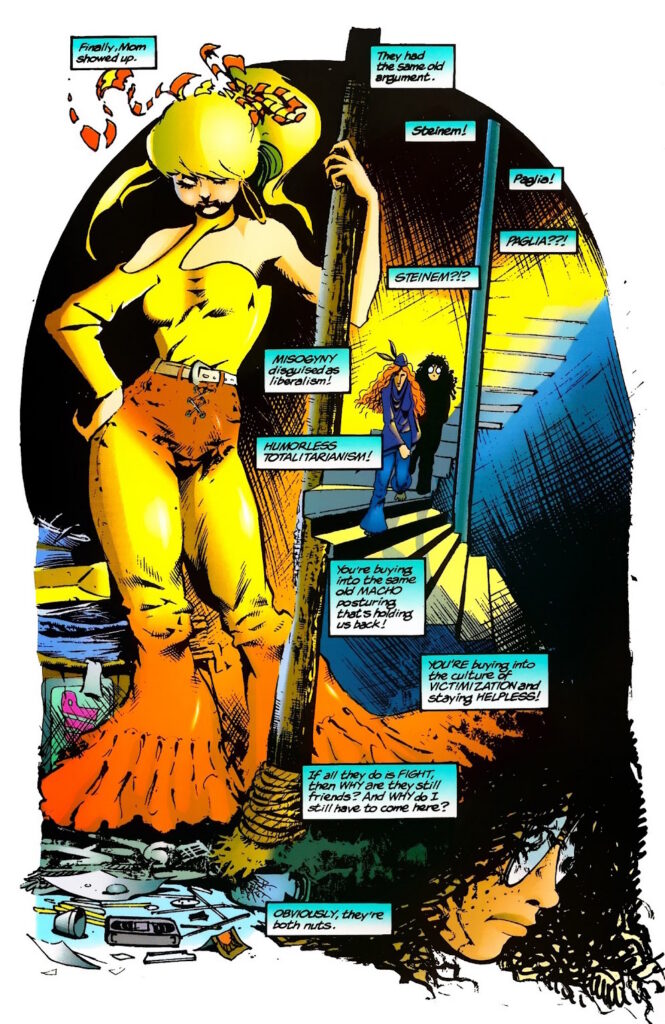
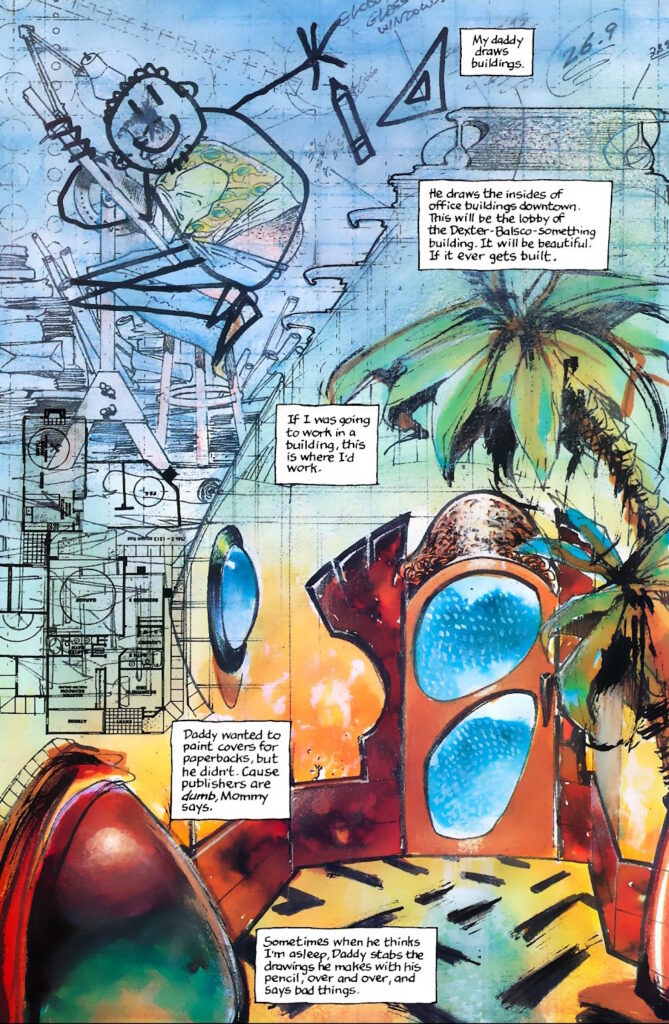
⁓ yeah, I guess something else that I found interesting revisiting this is at least so much of like the philosophical aspects of it just flew right over my head reading it as a kid. You know, I had no idea who, Camille, Camille Peglia was. had no idea who, ⁓ Gloria Steinem was and, ⁓ or what the, you know, what anyone was talking about. now it’s, it’s very interesting to, to look at that stuff now and see.
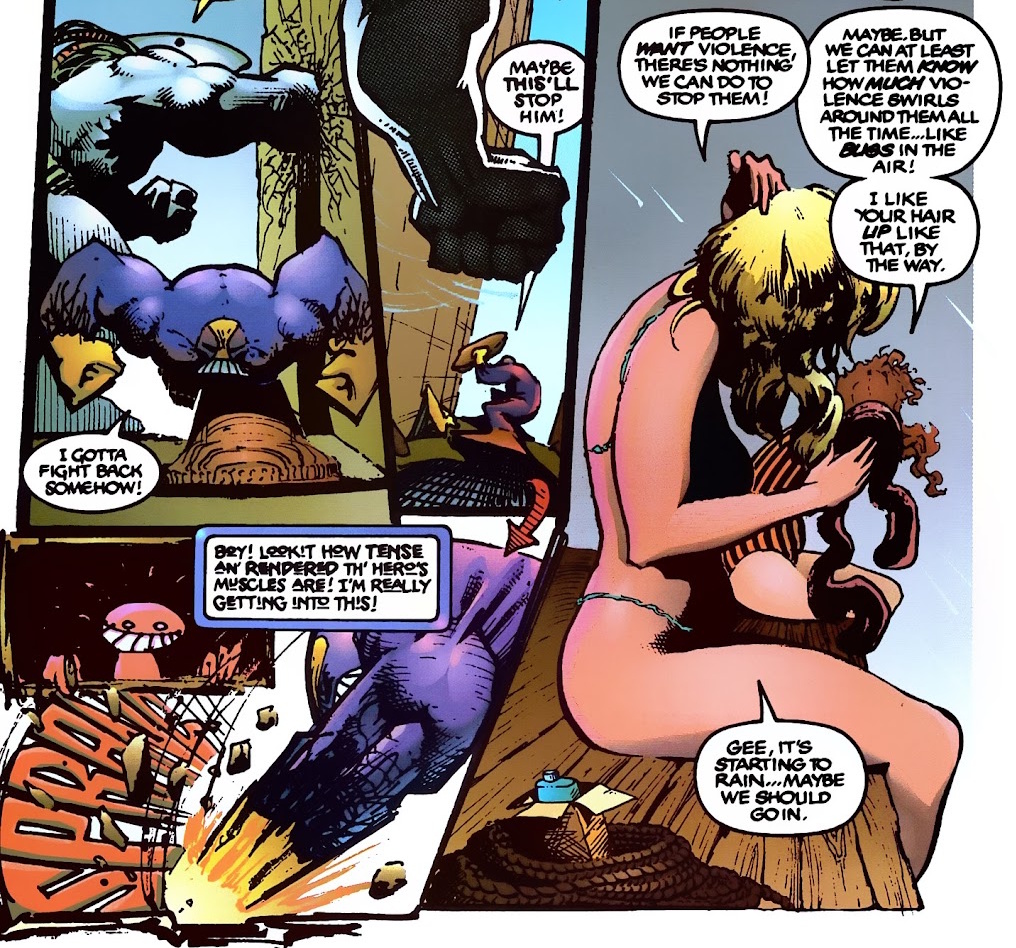
Also, it seemed like Sam Kieth was, even though it was William Esmeralda Loeb’s writing the dialogue, it felt like it was a, like Sam Kieth having a conversation with himself about all these issues, about feminism guess two different extremes in Steinem versus Paglia and trying to triangulate his own position within that. then there’s,
bits where Julie is like, well, as I’m, she’s usually admonishing the Maxx, which is like, who, what right do you have to, to, to weigh in on this? And I feel like that’s also him, know, part of his conscious, like asking himself that, that same question with a lot of what he’s doing. It’s, you know, there’s, there’s just nothing like that in like a mainstream comic. And it’s, really wasn’t a mainstream comic except that it was coming out from image and it had what looked like a superhero on the cover. But I mean, it.
It was definitely more of a, it would have been more at home with Kitchen Sink or FantaGraphics or something it seems like. was very much like an underground slash alt comic that just happened to, the way things worked out that he, that he got to do it at, at Image.
John (36:05)
Yeah, right time, right place to get that kind of exposure. It kind of blows me away reading those old letters pages and being like, man, like all these kids are into this weird alternative comic and they’re, you know, sending in their sketches of the Maxx and, you know, talking about how much they like it and stuff. And it just seems like a really underground type concept to be out there so large.
Klint Finley (36:26)
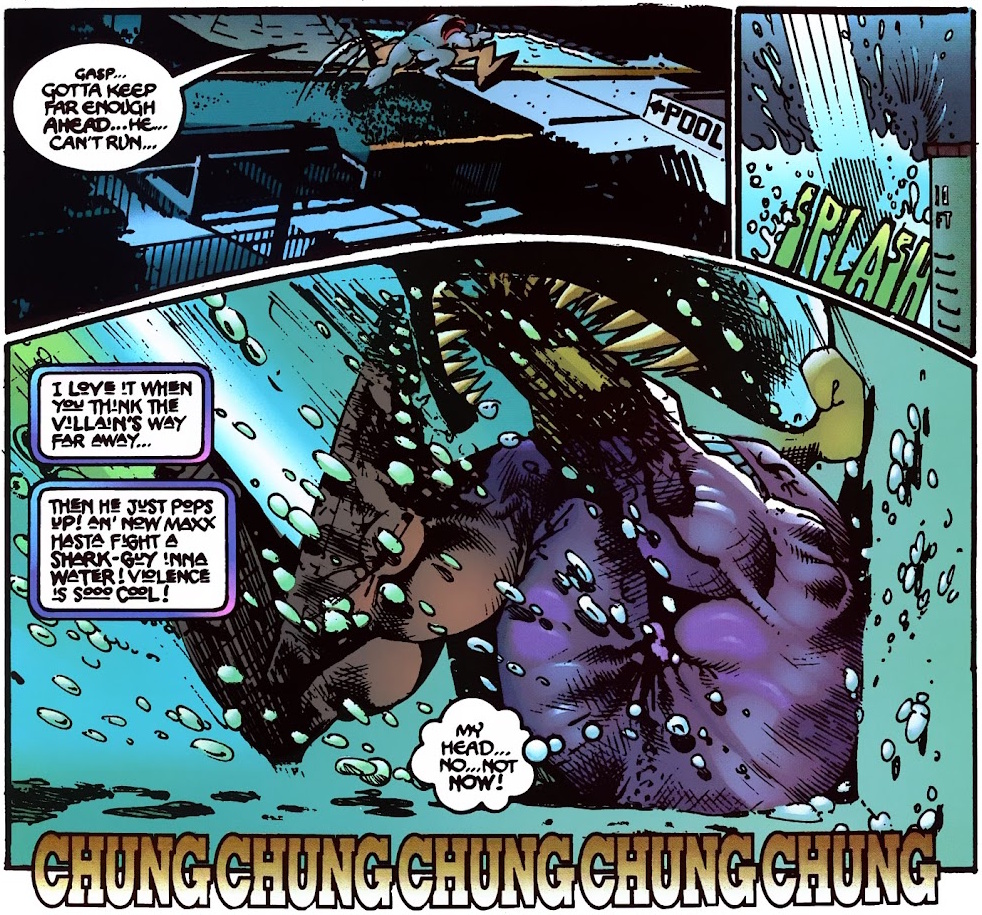
Yeah, I I picked it up at 12, 13, I think actually the first issue I had maybe wasn’t even number one, but issue six where he fights Mako the shark, ⁓ which I guess he put in there to try to make it more of like a normal superhero comic, but Maxx just spends the whole issue basically running away because his closet is glued shut. So it’s like, even when he was trying to do like a…
John (36:37)
Yeah, yeah.
Klint Finley (36:53)
mainstream superhero comic. He just couldn’t help himself but to make it into something that was, you know, just funnier and sillier and just a lot more fun than, you know, another grim and gritty superhero. Even though, like I said, it definitely is grim and gritty at times, ⁓ but just in a completely different way from, you know, Youngblood or something.
John (37:13)
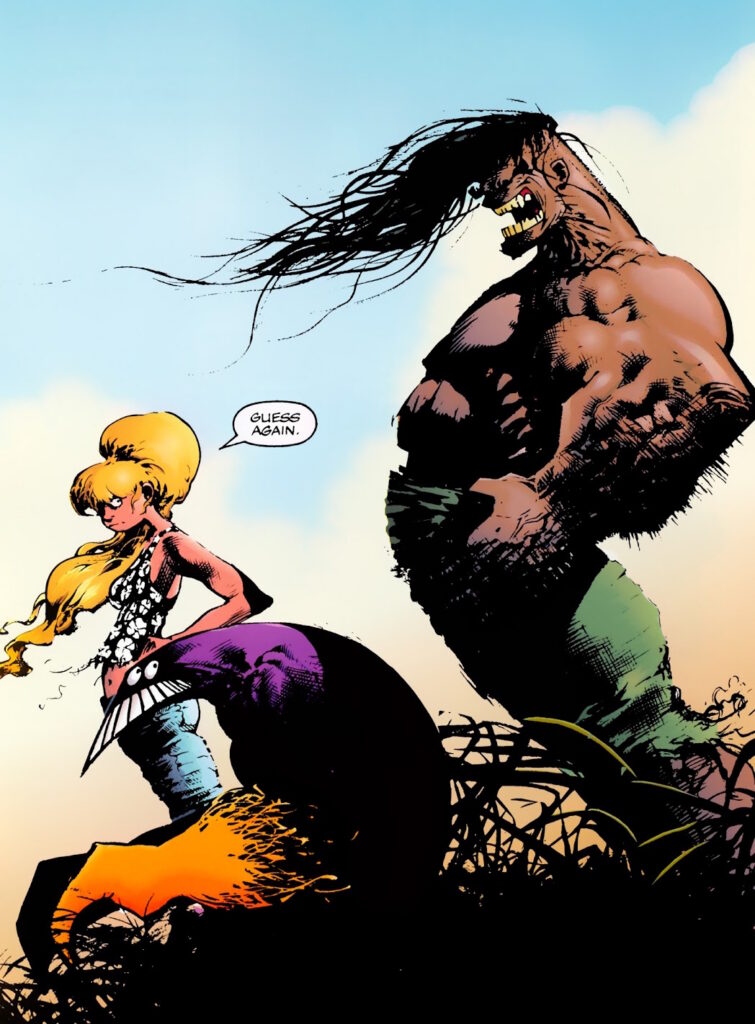
It’s funny, I read that issue this morning and it was fun to read it and then watch the cartoon version of it back to back. And I was like, like many image comics at the time, they would have ⁓ other image characters guest star occasionally. And an issue six Savage Dragons in it for a minute. And I’m like, what are they going to do with that? And it’s cool. Cause on the show it’s the exact same scenes, but they just create like their own detective character to fill in for, for the, he has the exact same dialogue.
that Savage Dragon has in the comic, it’s just not Savage Dragon. It’s just a detective that kind of reminds me of Sam from Sam and Twitch. And then even though I haven’t read issue seven yet, I was like, what are they going to do with Pitt? And so I put on the next episode of the show and sure enough, Pitt is replaced by that big creature from darker image number one that’s chasing him with the hammer. And so I’m like, okay, well this works really well. And so they found ways to get around that stuff in the cartoon.
Same dialogue, same panel, same even shot, like that page of Pitt standing behind him. It’s the same exact shot, but it’s just the other character instead. It’s pretty cool.
Klint Finley (38:16)
Yeah, yeah, and in those issues like the pit, it’s not important that it’s the pit really. And the Savage Dragon is barely in that issue. But I think they change it so it is not Mako the shark. It’s a different shark character. Yeah.
John (38:28)
It’s Hammerhead. Yeah, it’s
a say it’s he’s drawn exactly the same, his the character is called Hammerhead. And so maybe there was some legal issue with that name or something.
Klint Finley (38:36)
There’s a different,
well, it’s, well, that’s a, it’s an Eric Larson character that was in Savage Dragon. And that’s why Savage Dragon shows up is that it’s a Savage Dragon villain. this, Savage Dragon animated series was in production at the time. I’m not sure that ever came out, but it was just like an absolute no-go. The pit may have been more doable, but they just didn’t do it either.
John (38:43)
⁓ right.
Right, right.
Right. Yeah, but I would urge anybody to check that out. You can get those DVDs from Amazon. They’re manufactured on demand, so they’re still available out there. I don’t think it’s streaming anywhere, but maybe it is. Maybe you can buy it on Prime. But it’s really cool. Yeah.
Klint Finley (39:15)
I think, yeah, you can pay per
episode on Prime but the DVD has all those extras, so that seems worth it.
John (39:26)
Yeah, there’s commentary on every episode. And then there’s also that behind the scenes documentary. So totally worth it. Totally worth the 20 bucks that I spent on it.
Klint Finley (39:34)
All right. Well, I think we’re to have to leave it there. Let us know what else you’d like to hear us talk about. yeah, shout out to Sam Kieth, one of the greats. It’s a tragedy that he’s gone. But he left behind an amazing body of work that we can continue to appreciate for the rest of our lives.