Women have always played vital roles in the development of comic books. But in the first couple decades after World War II, their role was often in the overlooked aspects of mainstream North American comics, like color (colorists are the most underrated creators in comics!) and the business side (Flo Steinberg, for example).
That trend continued during the Dark Age, but many women broke through as editors and creators, each leaving their mark on the history of comics. This is by no means an exhaustive list, and I’m sure I’m forgetting some obvious and not-so-obvious people.
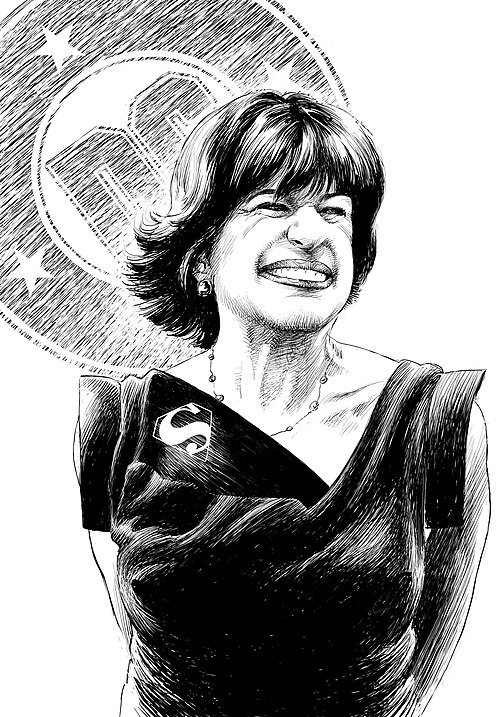
Jenette Kahn
You’ve probably heard of Alan Moore, Frank Miller, and Jim Shooter. They’re three of the most important people in the Dark Age of Comic Books. But equally as important those three was Jenette Kahn, who is much less well known.
Kahn became publisher of DC Comics in 1976, president of the company in 1981, and stayed until 2002. She was there for the entire Dark Age of Comic Books. Ronin, Crisis on Infinite Earths, The Dark Knight Returns, Watchmen, “Suggested for Mature Readers” and Vertigo, the Death of Superman, Knightfall, Milestone, Kingdom Come, The Long Halloween, Grant Morrison’s JLA, and so much more all happened during her tenure.
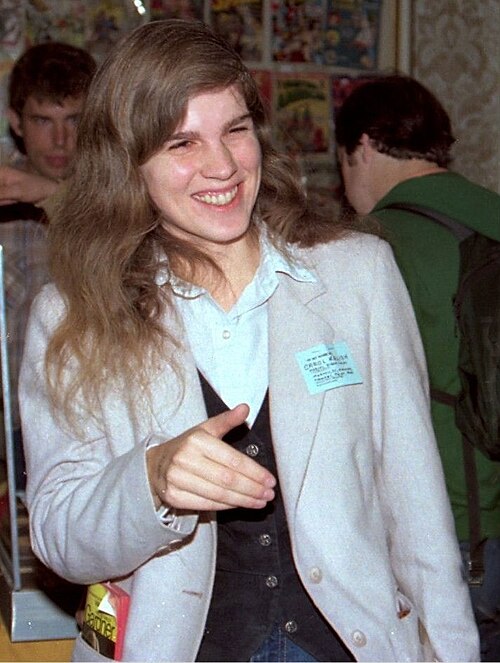
Carol Kalish
Carol Kalish was the mother of the direct market. As Direct Sales Manager and Vice President of New Product Development at Marvel she helped professionalize comics retail, most famously through a program where Marvel would buy cash registers for comic book stores. A legend in the industry, but largely unknown to casual fans. She passed away 1991 at the age of 36.
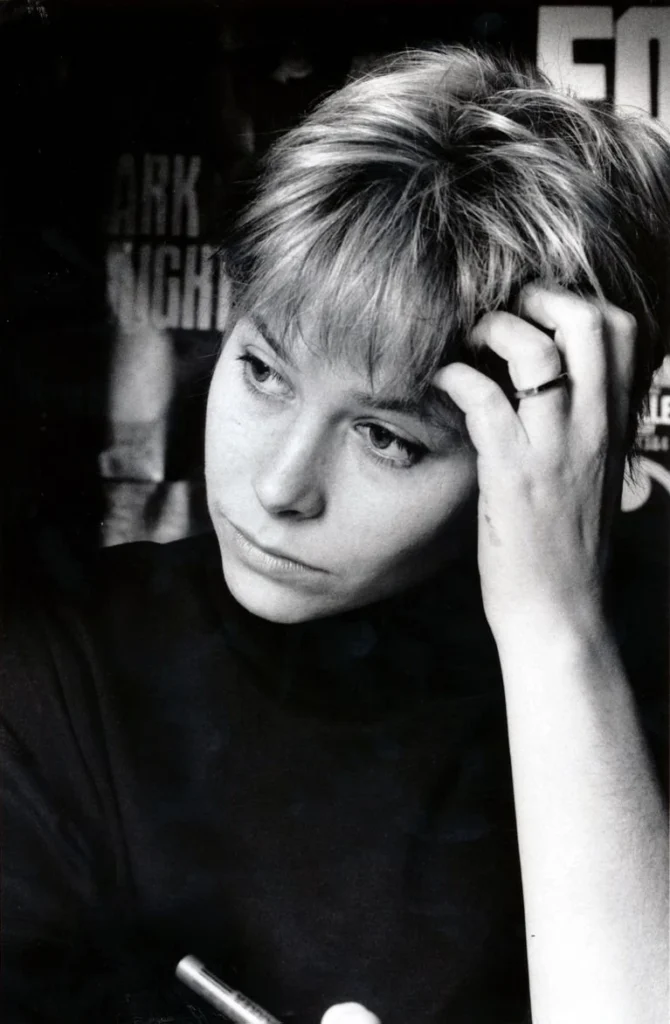
Lynn Varley
Like I said, colorists are the most underrated comics creators, and unfortunately, that means by me too. In other words, there just aren’t that many I know by name. It’s something I need to fix. But one of the few I do know by name had a huge impact on the Dark Age: Lynn Varley.
She’s best known for her work with Frank Miller on Ronin, Elektra Lives Again, 300 and, of course, The Dark Knight Returns. As Grant Morrison wrote in Supergods, Varley “replaced the traditional rainbow palette with somber blues, naturalistic grays, washed-out yellows, and shades of brown that perfectly evoked a dirty, crime-ridden city in high summer and inspired the look of every “dark” superhero and fantasy film of the early twenty-first century, from The Lord of the Rings to Harry Potter and the Order of the Phoenix and Twilight.”
Karen Berger
Karen Berger was the founding editor of Vertigo Comics. Her talent scouting trip to the UK in 1987 resulted in the so-called “British invasion of comics.” It’s almost impossible to exaggerate her influence during the Dark Age of Comics. An entire generation of editors worked under her, most notably Axel Alonso, who would go on to help guide Marvel out of the Dark Age. She now edits the Berger Books like at Dark Horse Comics.
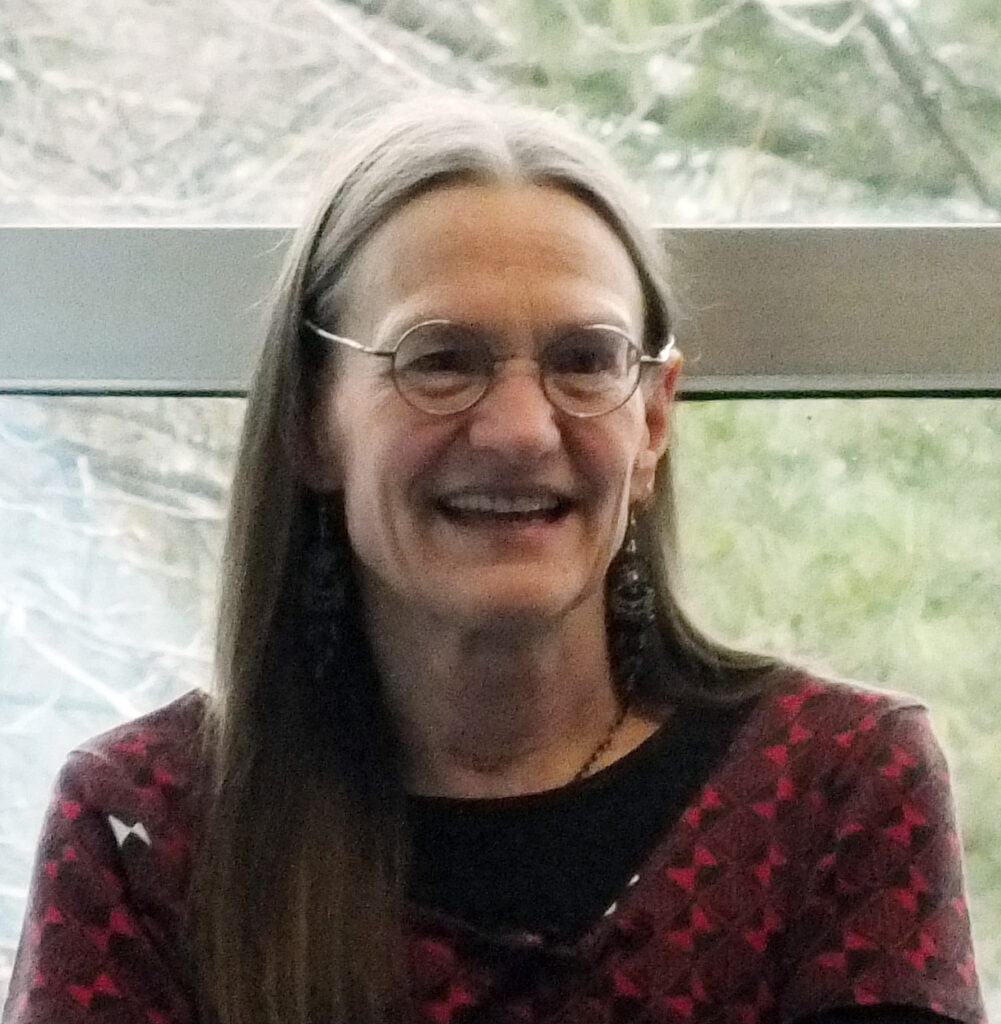
Diana Schutz
During her 25 year tenure at Dark Horse Comics (starting as a senior editor and rising to executive editor before she retired in 2015), Diana Schutz helped shepherd high-profile projects like Sin City, 300, and Aliens vs. Predator. Before that, she was editor-in-chief at Comico, home of Grendel, Bill Willingham’s Elementals, Robotech (a fairly early example of manga in North America), and much more.
Shelly Bond
Shelly Bond, nee Roeberg, started as an editorial assistant for Schutz at Comico. After Shultz and editor-in-chief Bob Schreck left, she ended up being the company’s one-woman editorial department at the age of 22. She later landed at Vertigo working for Berger and quickly became one of the most influential editors there, working on Shade, the Changing Man,, The Invisibles, Sandman Mystery Theater, and iZombie. She became executive editor and vice president of Vertigo after Berger, then edited her own line of comics at IDW. She and her husband, artist Philip Bond, now run their own publishing company, Off Register.
Wendy Pini
Wendy Pini is the artist, co-writer, and co-creator of _ElfQuest_, and co-founder/co-publisher of WaRP Graphics with her husband, collaborator, and business partner Richard Pini. ElfQuest began in 1978 and helped pave the way for the entire indie comics scene. It was enormously influential in the early part of the Dark Age, and Pini was role model for women creators everywhere.
Ann Noncenti
Ann Noncenti got her start in comics as an editor at Marvel, where she worked on Chris Claremont’s runs on Uncanny X-Men and New Mutants. These days Ann Noncenti is best known for her Daredevil run (1986-1991), which is widely considered one of the best or even THE best runs for the character. But I’d like to highlight the Longshot mini-series she wrote in 1985. There she introduced Longshot, Spiral, and the Mojoverse, all of which would be important parts of the Dark Age-era X-Men universe.
Jo Duffy
Jo Duffy is probably best known for her run on Catwoman from 1993 to 1994, one of the banner Bad Girl comics of the era. She also did a stint on Powerman/Powerman and Iron Fist (1978-1982), wrote the X-Men spin-off Fallen Angels (1987), and several issues of Glory for Rob Liefeld’s Maximum Press. Oh, and she helped translate Akira into English!
Louise Simonson
Another editor turned writer, Louise Simonson co-created Apocalypse and Archangel during her X-Factor run, and Cable, Stryfe, and the Mutant Liberation Front during her New Mutants run. She followed up her time on the X-Books by writing Superman: Man of Steel for DC Comics, which she wrote during the Death of Superman and its follow-up series, and co-created Steel.
Bobbi Chase
Bobbi Chase was around at the beginning of the Dark Age, having joined Marvel in 1985. She edited GI Joe from the late 1980s until the early 1990s. She later became Marvel’s first and, thus far, only editor-in-chief in 1995 when the company briefly had multiple editors in chief. Chase was the editor of “Marvel Edge,” which included Punisher, Ghost Rider, and Hulk. In 1997 she helped draw the Dark Age to a close as the editor of Heroes Reborn, which returned Captain America, Iron Man, Fantastic Four, and the Avengers back into Marvel continuity. She was laid off from Marvel in 2001 when Joe Quesada and Bill Jemas took over, making her tenure at the company into bookends of the era.
Colleen Doran
Colleen Doran is best known for her creator owned series A Distant Soil and her battles to keep that book creator owned. She was also the artist on the breakout Sandman storyline The Doll’s House.
Jill Thompson
Jill Thompson was one of the most iconic Veritgo artists thanks to her stints on The Invisibles and Sandman. She also created Scary Godmother, published primarily by Sirius Entertainment.
Christina Z
Christina Z is best known for writing or co-writing the first 39 issues of Witchblade, another banner Bad Girls comic and one of the biggest comics of the latter years of the Dark Age.